General Description
When appropriate raw materials are selected and correct process parameters are chosen, the properties of the resulting electrodes can be predetermined on pilot scale. The selection of the optimum process parameters is not an easy task, especially when starting a new green mill or when changes in an existing plant occur. Optimization trials on full production scale should be avoided, as they bear the risk of generating batches of sub-standard quality. Furthermore, they create logistical challenges to separate the test electrodes from the regular production, and they may be lengthy until the test results are available. To avoid this, optimization trials should be conducted on pilot scale. With the methodology of the dynamic process optimization (DPO), processing parameters are systematically changed, while pilot electrodes are produced from the real production paste. The electrodes are then baked and tested for the relevant properties to determine the impact of the changes on the final electrode quality.
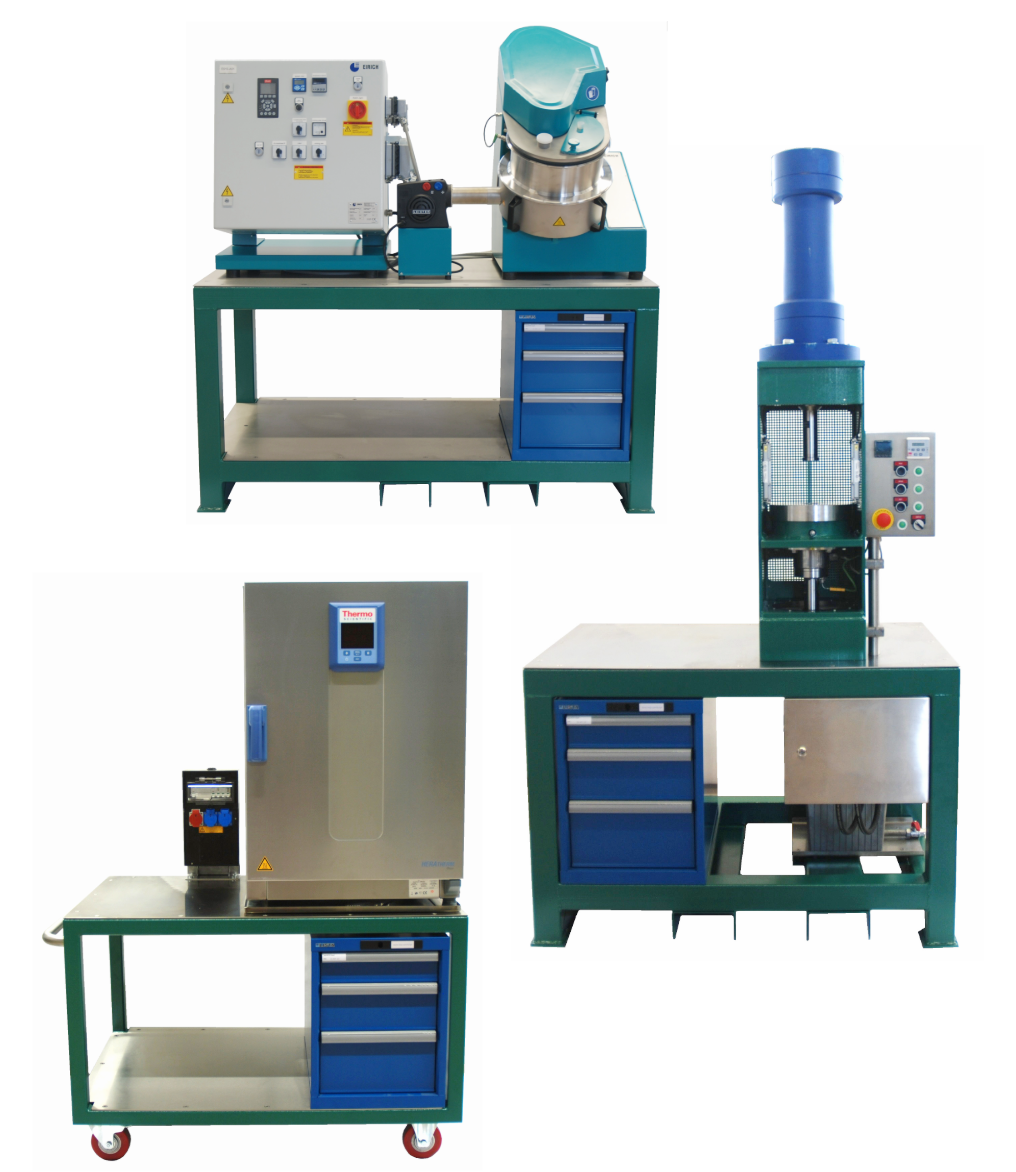
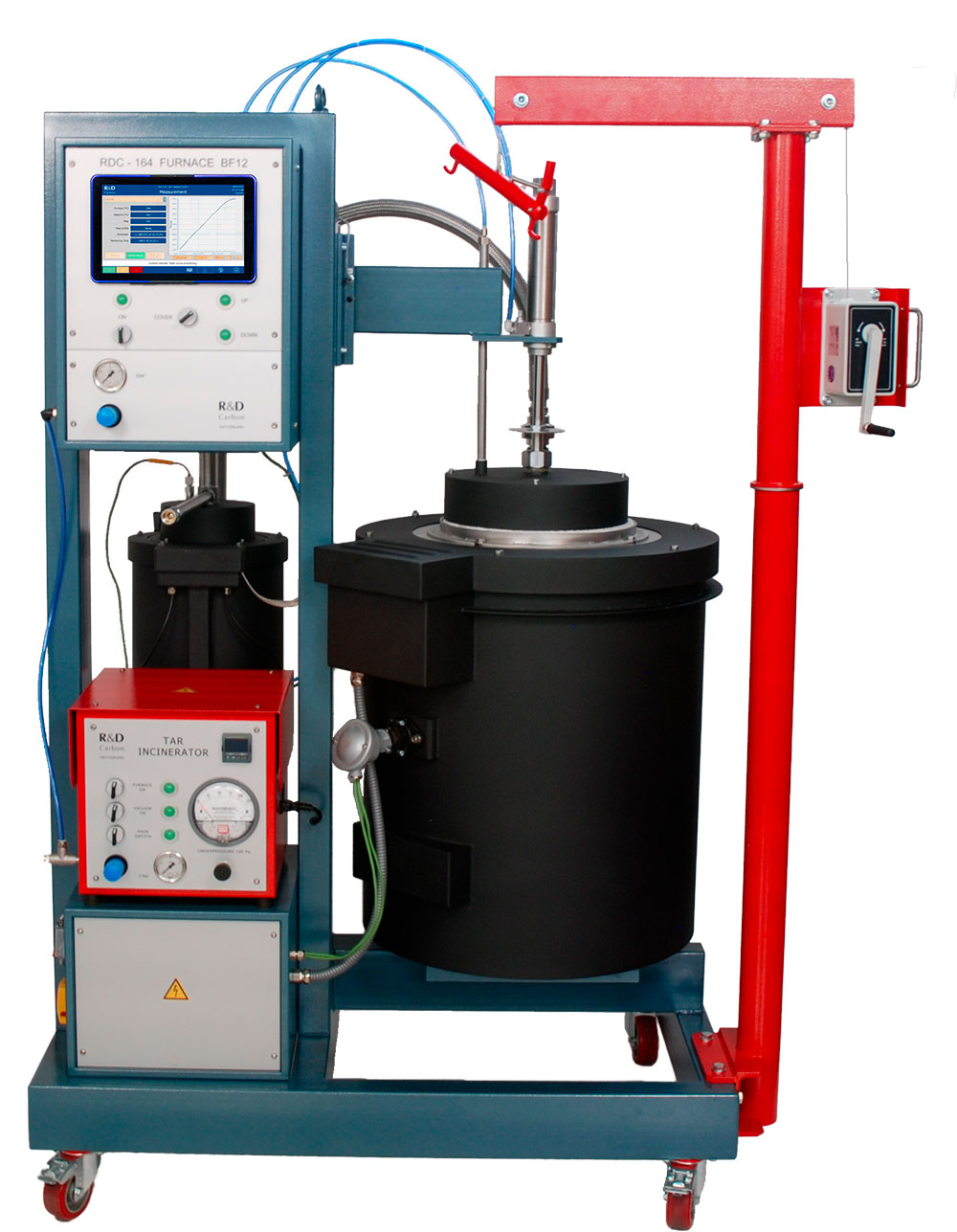
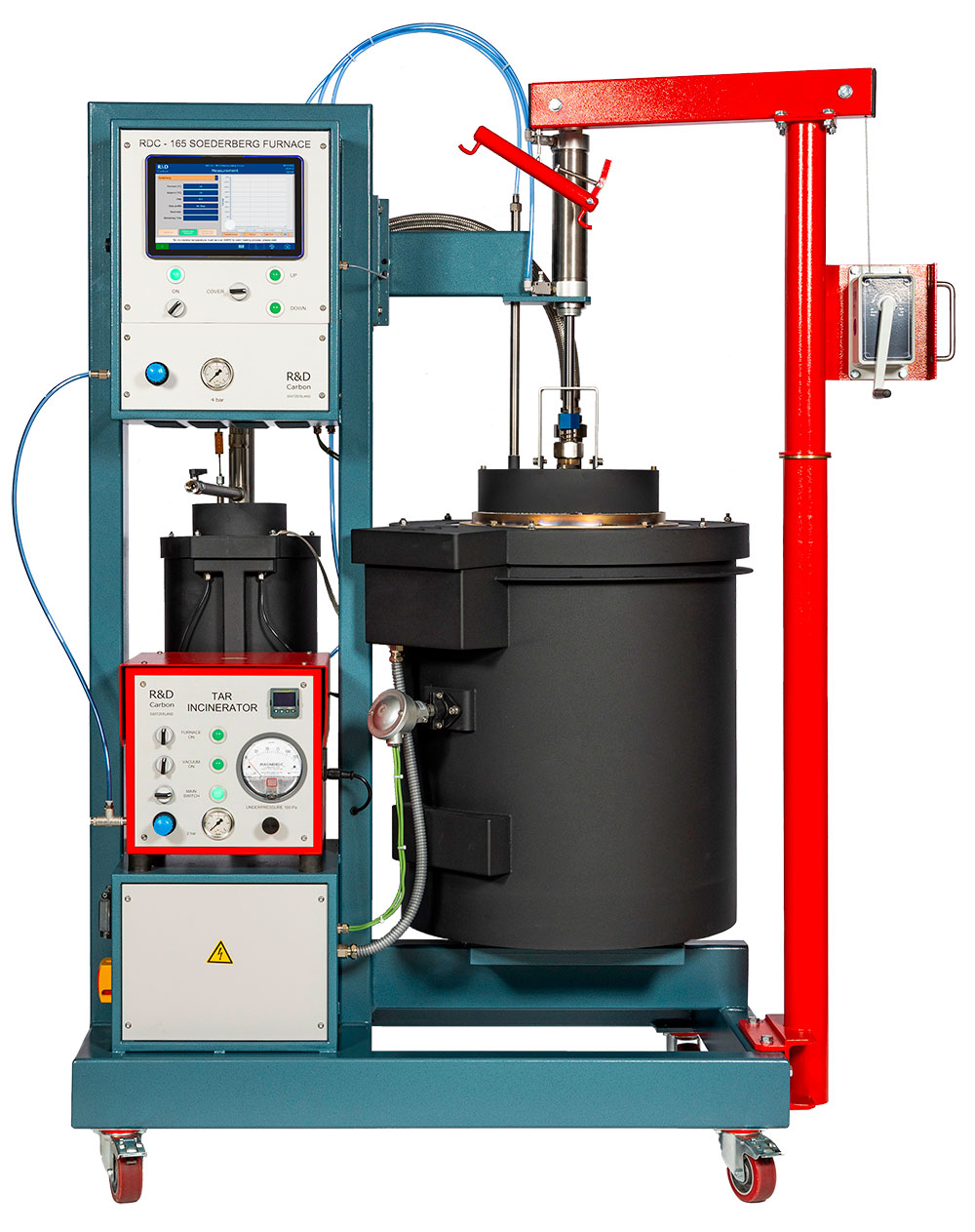
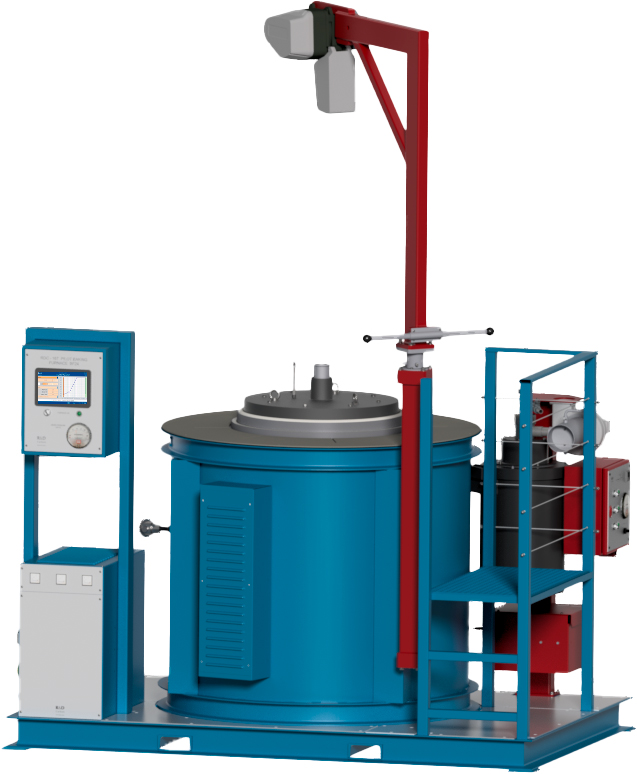
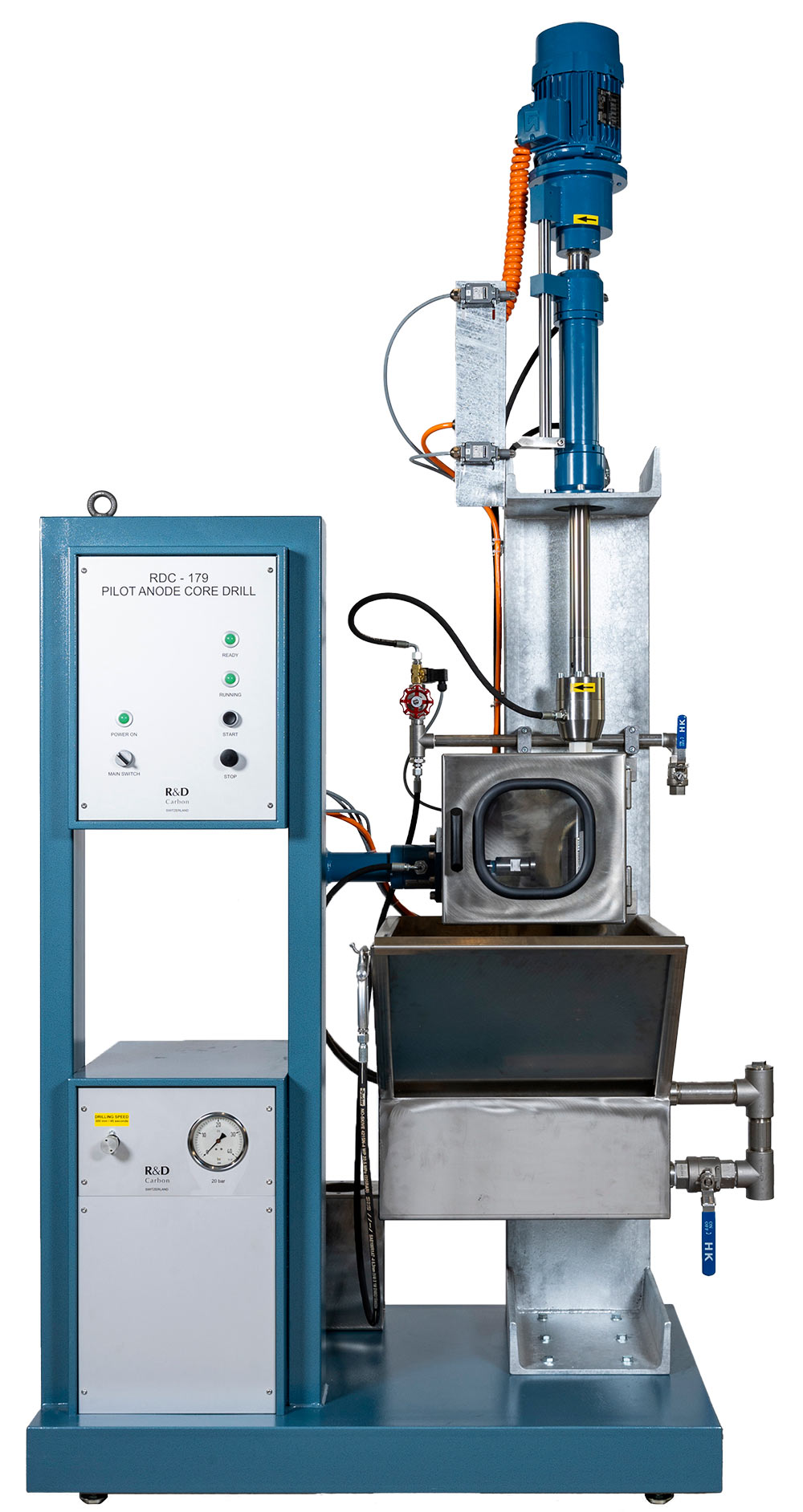
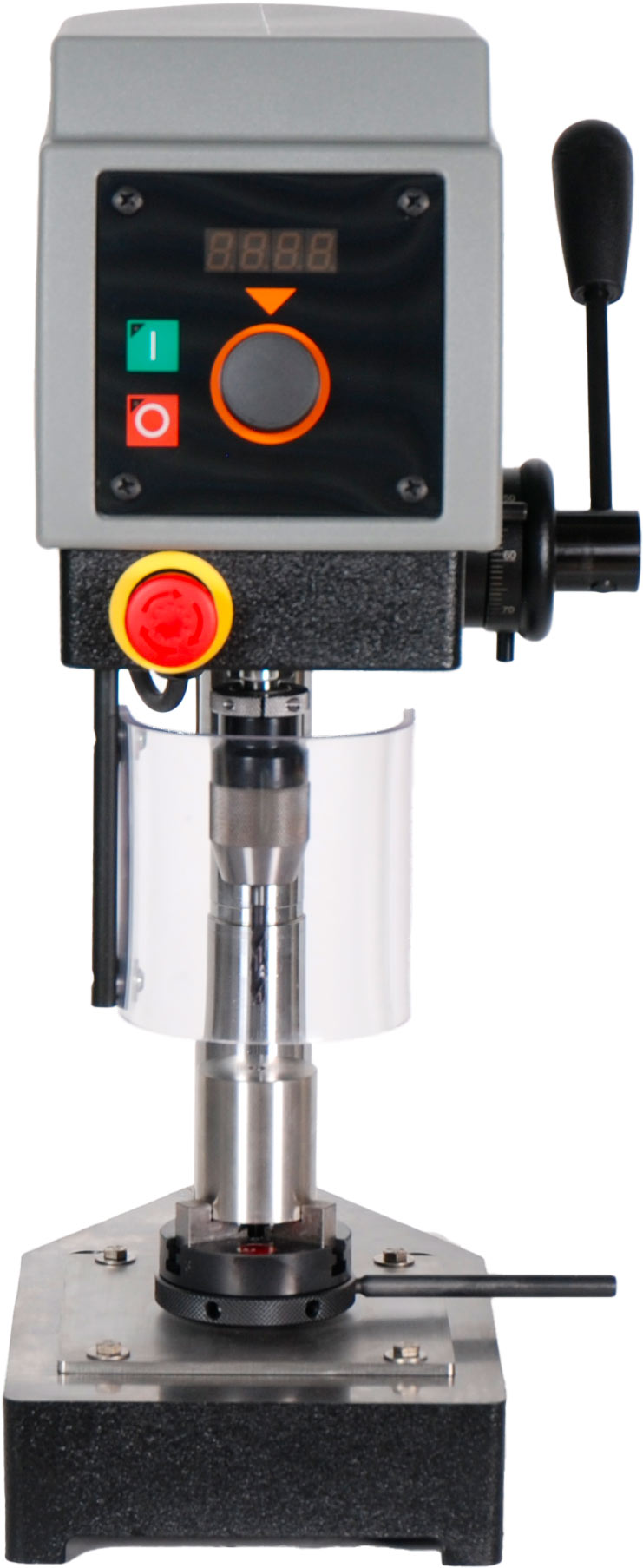
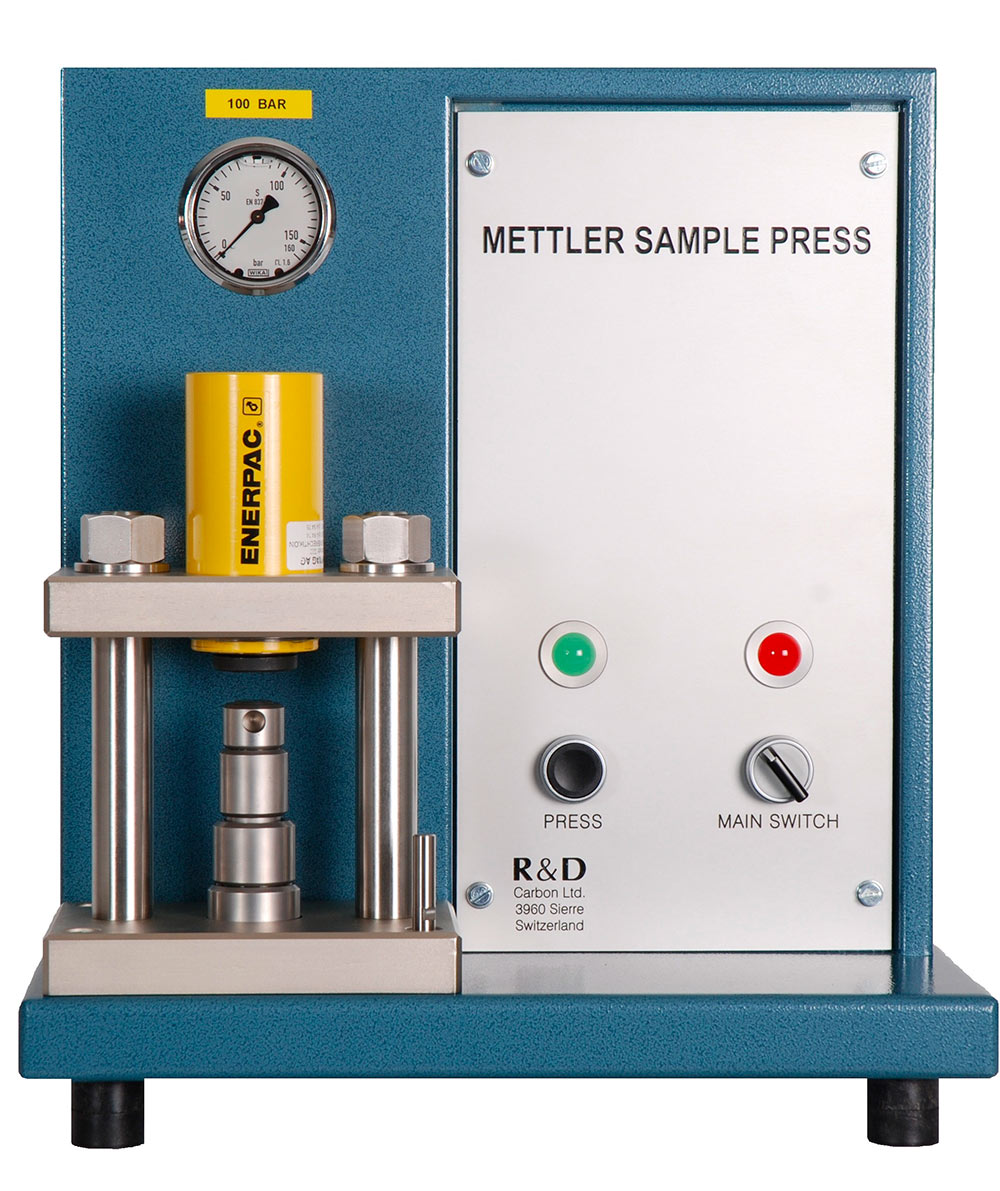
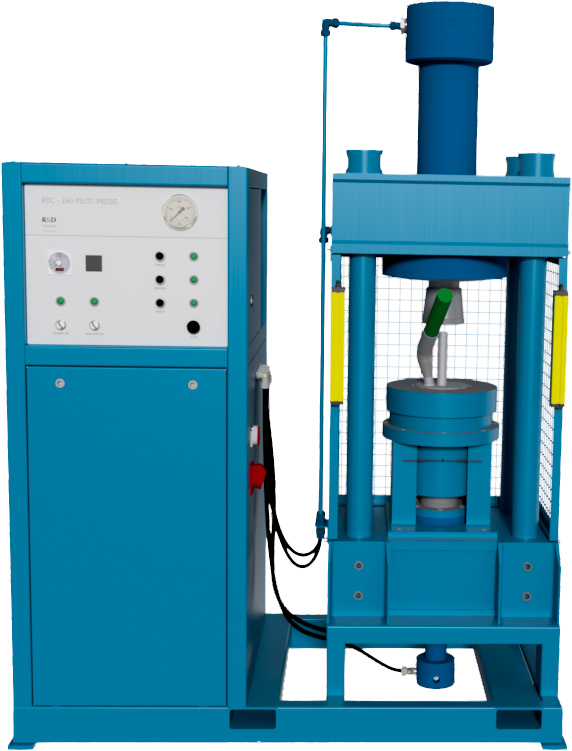
The RDC-160 apparatus is used for the preparation of the pilot green electrodes. Batches of paste are pressed under pressure to form 146 mm diameter electrodes with an approximate height of 200 mm. These electrodes are then baked in the RDC-167 Pilot Baking Furnace, drilled with the RDC-179 Pilot Core Drilling Machine, and tested for their properties. This equipment can also be used for evaluation of ramming paste or for other research & development projects.
Technical Information

Other Binder, Electrodes, Granular, Lining Equipment