General Description
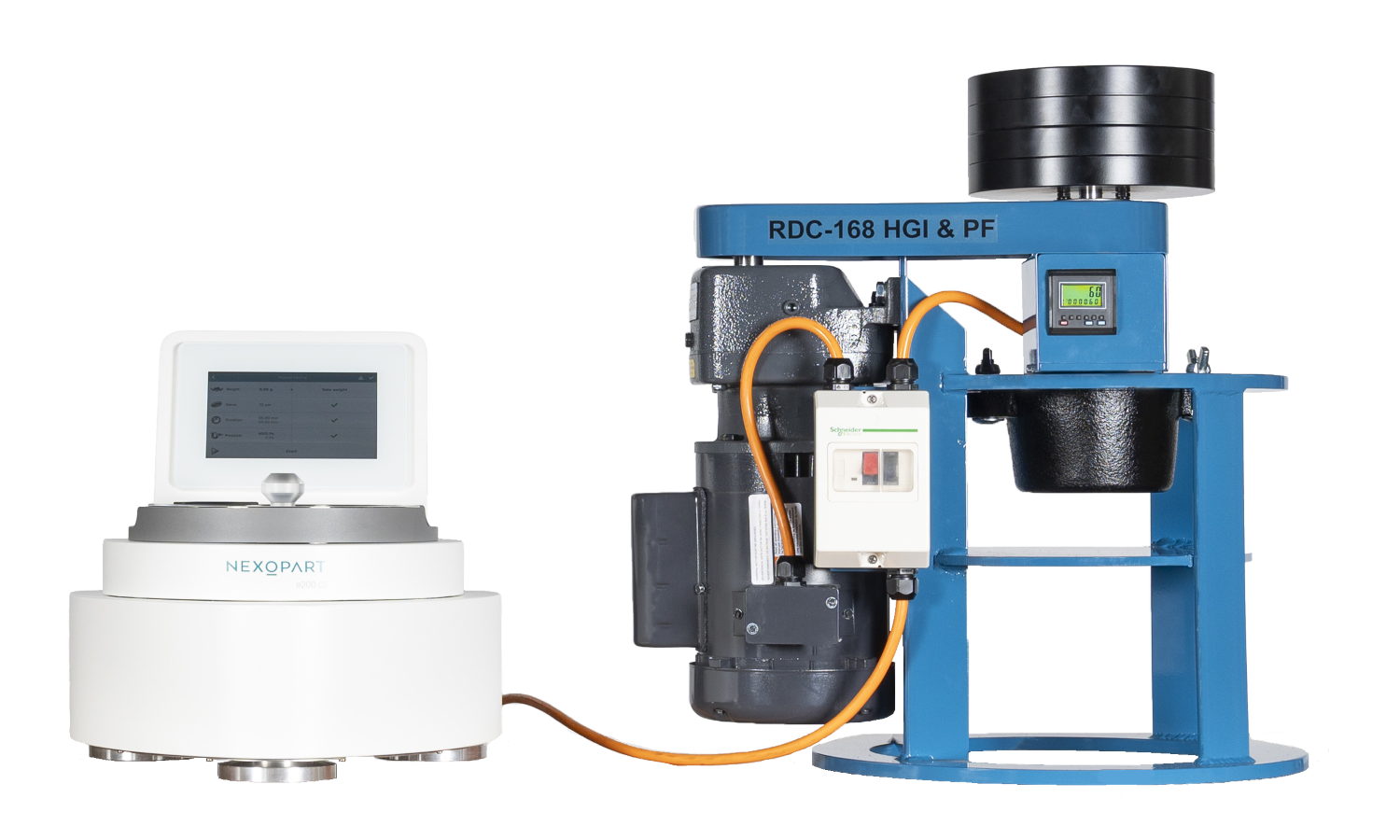
Green coke from the petroleum or pitch industry firstly needs to be calcined before it can be used as a raw material for electrode production. The aim of the calcination is to remove the water and light compounds that would be detrimental for the electrode quality. The quantity of these light compounds corresponds to the volatile content. It has a substantial influence on the resulting calcined coke porosity depending also on the calcination technology. The information of the volatile content combined with the Hardgrove grindability index (see equipment RDC-168) gives the possibility to estimate the nature of a green coke (isotropic, anode grade, or anisotropic microstructures).
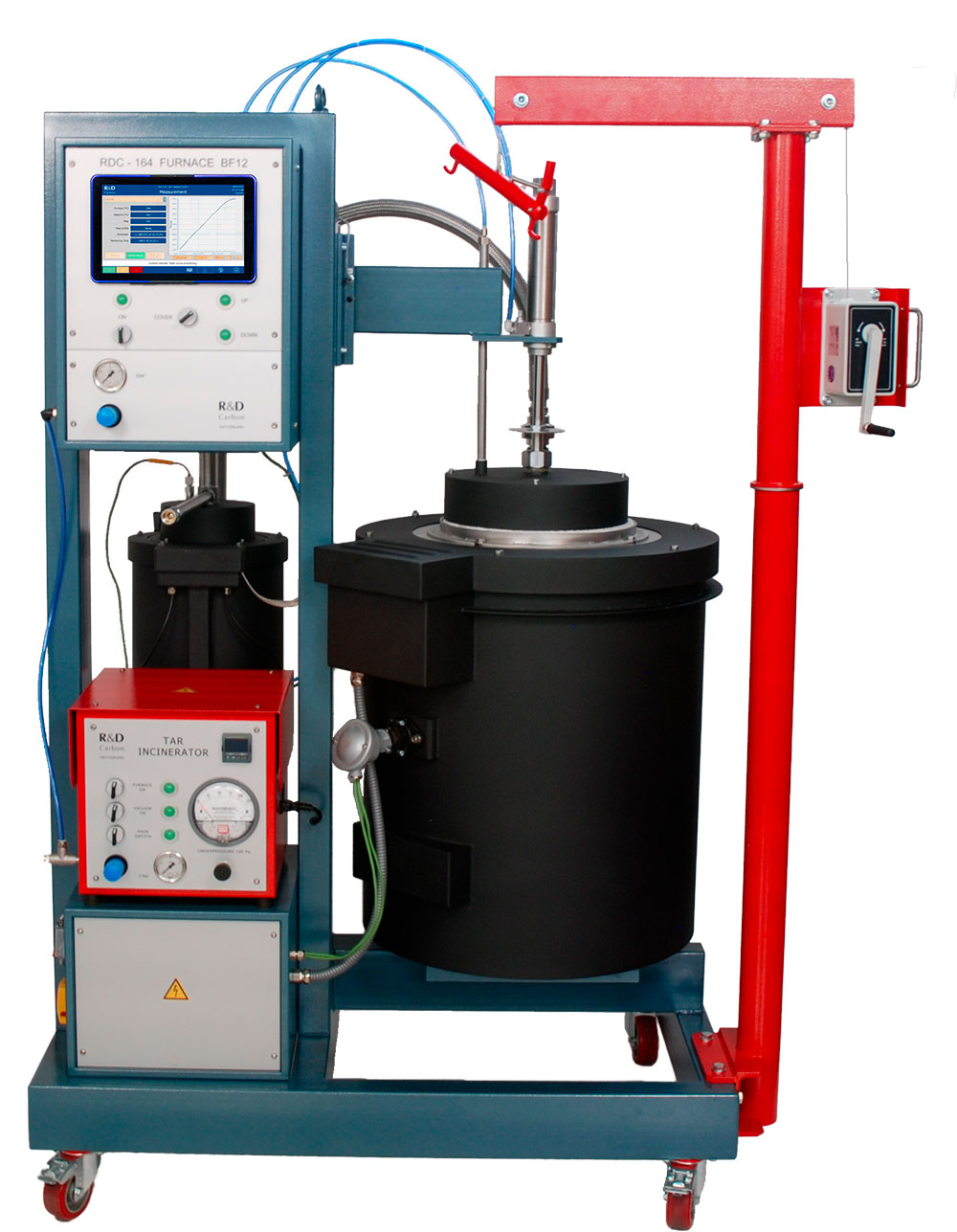
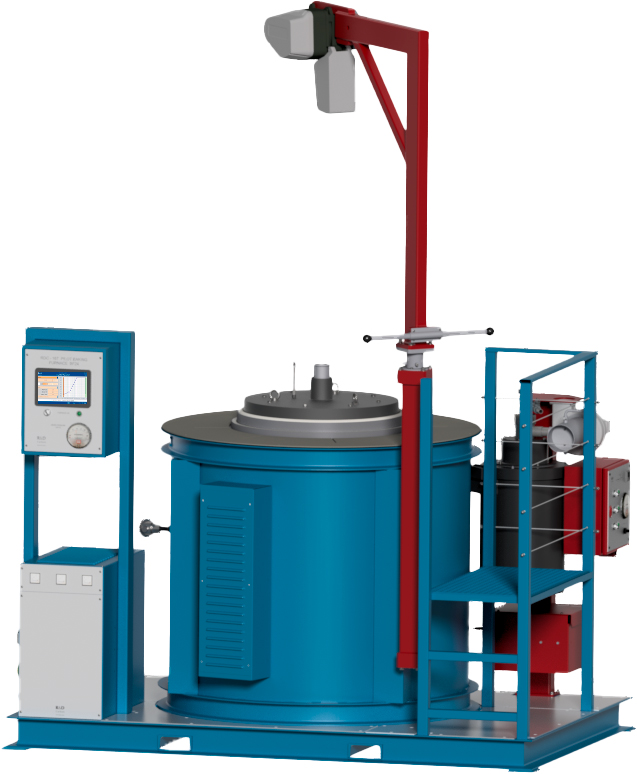
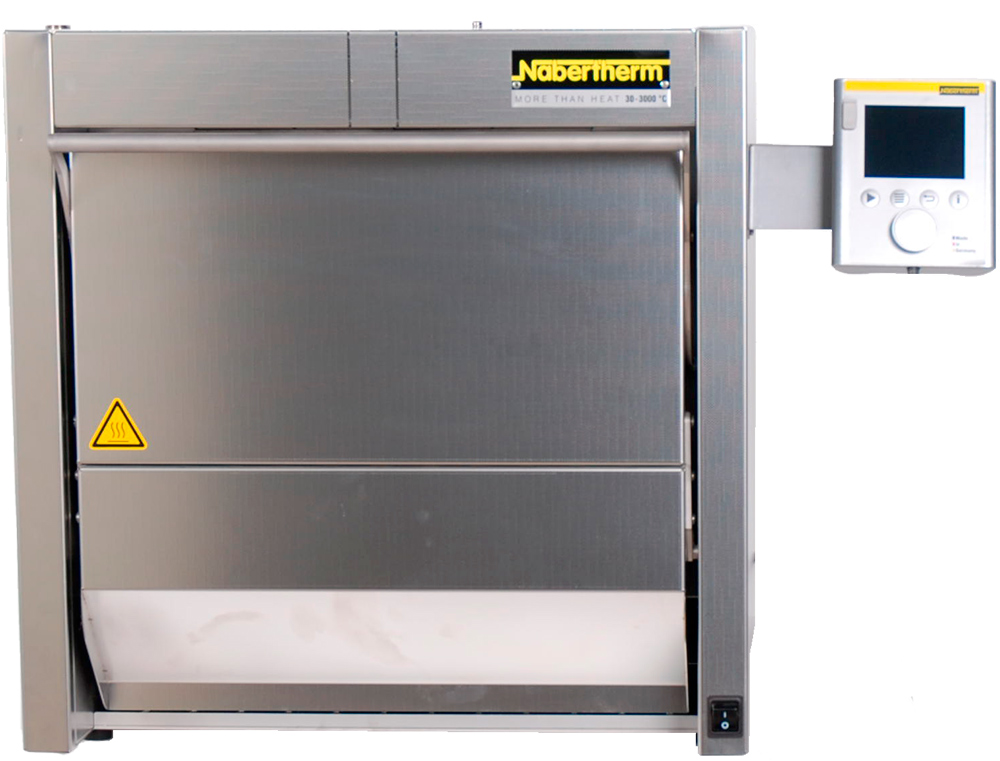
The measurement is conducted with the RDC-175 furnace, where a given mass of a milled sample is heated up to 900°C in a crucible for a given period of time. At the end of the test, the weight loss is expressed as a percentage of the initial weight to calculate and report the volatile content.
Technical Information
Additional Recommended Equipment
Weighing scale with an accuracy of 0.0001 g
Crusher (< 1.5 mm)
Sieving machine (0.25 mm sieve)
Desiccator
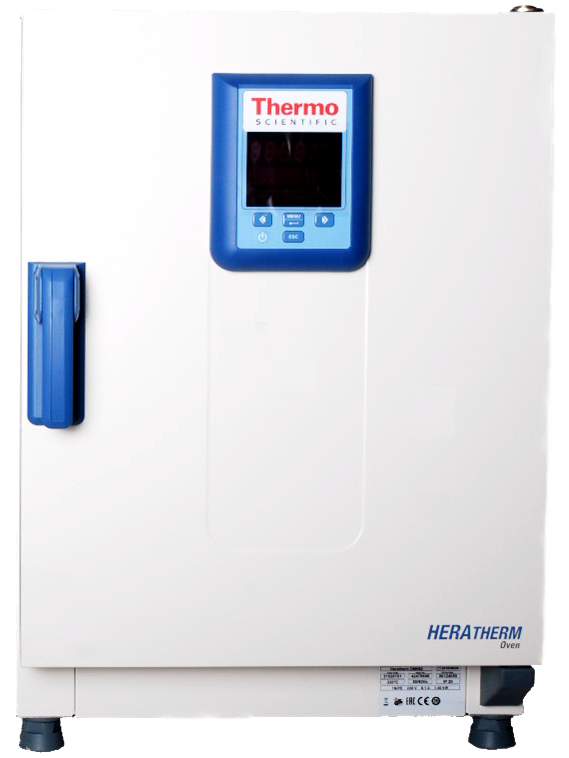
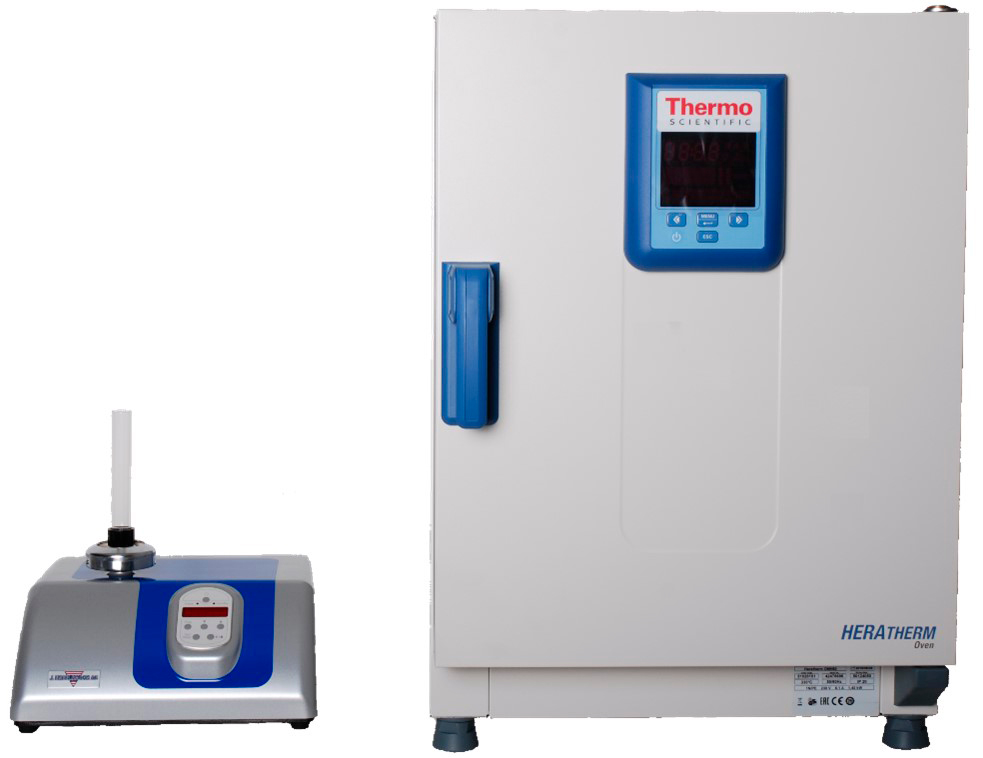
Drying oven (min. temperature 110°C)

Other Granular Equipment