Hardgrove Grindability & Pulverizing Factor



General Description
For the green electrode preparation, fines must be produced by milling from the initial raw materials in the paste plant. For this purpose, the hardness of the material is a crucial factor. Changes can lead to variations of the resulting fineness of the fines or of the mill throughput, which can lead to disturbances in the plant and can cause inferior electrode quality. In addition, the hardness, combined with the measurement of the volatile matter (see equipment RDC-175), gives the possibility to estimate the nature of a coke (isotropic, anode grade, or anisotropic microstructures).
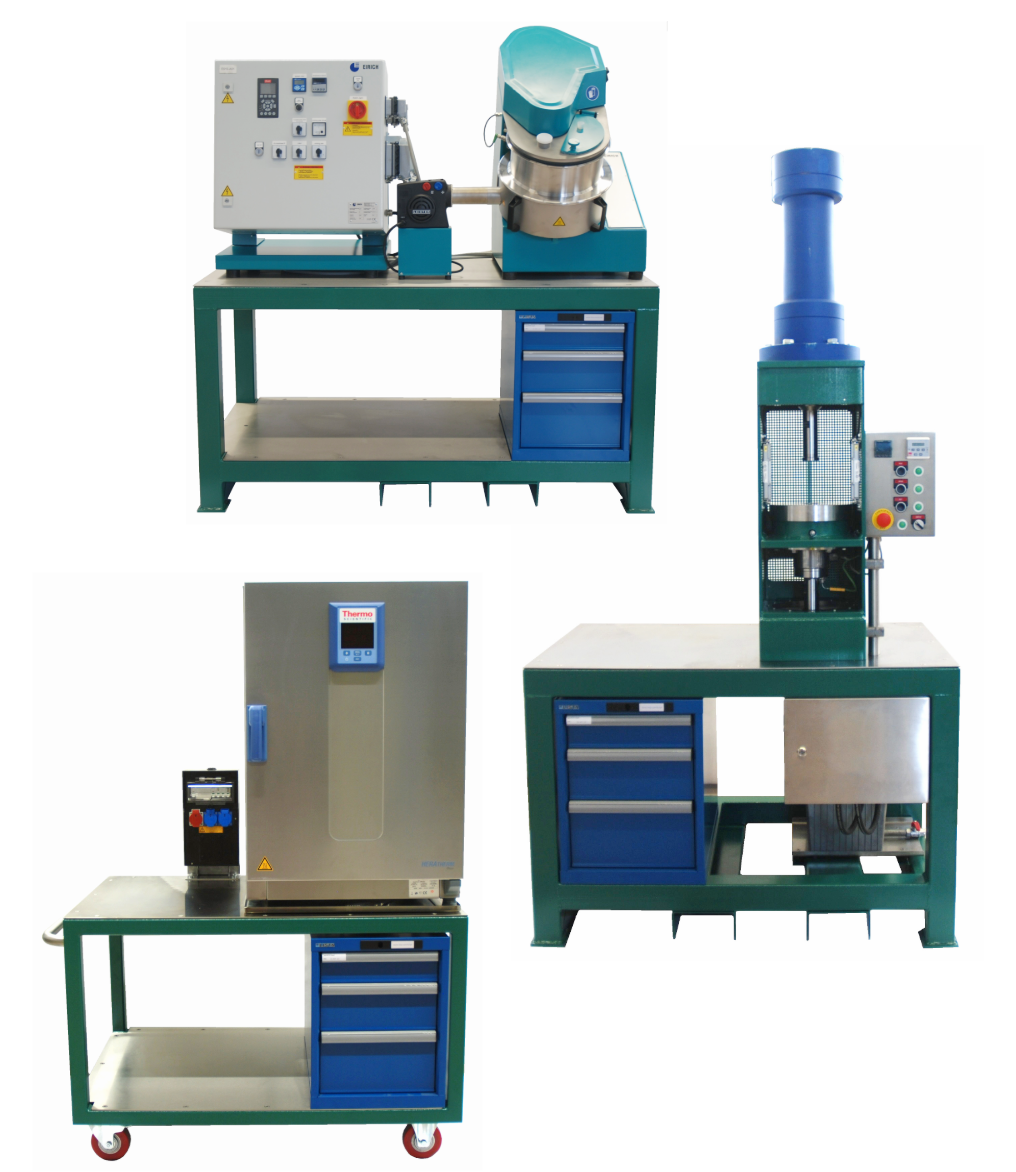
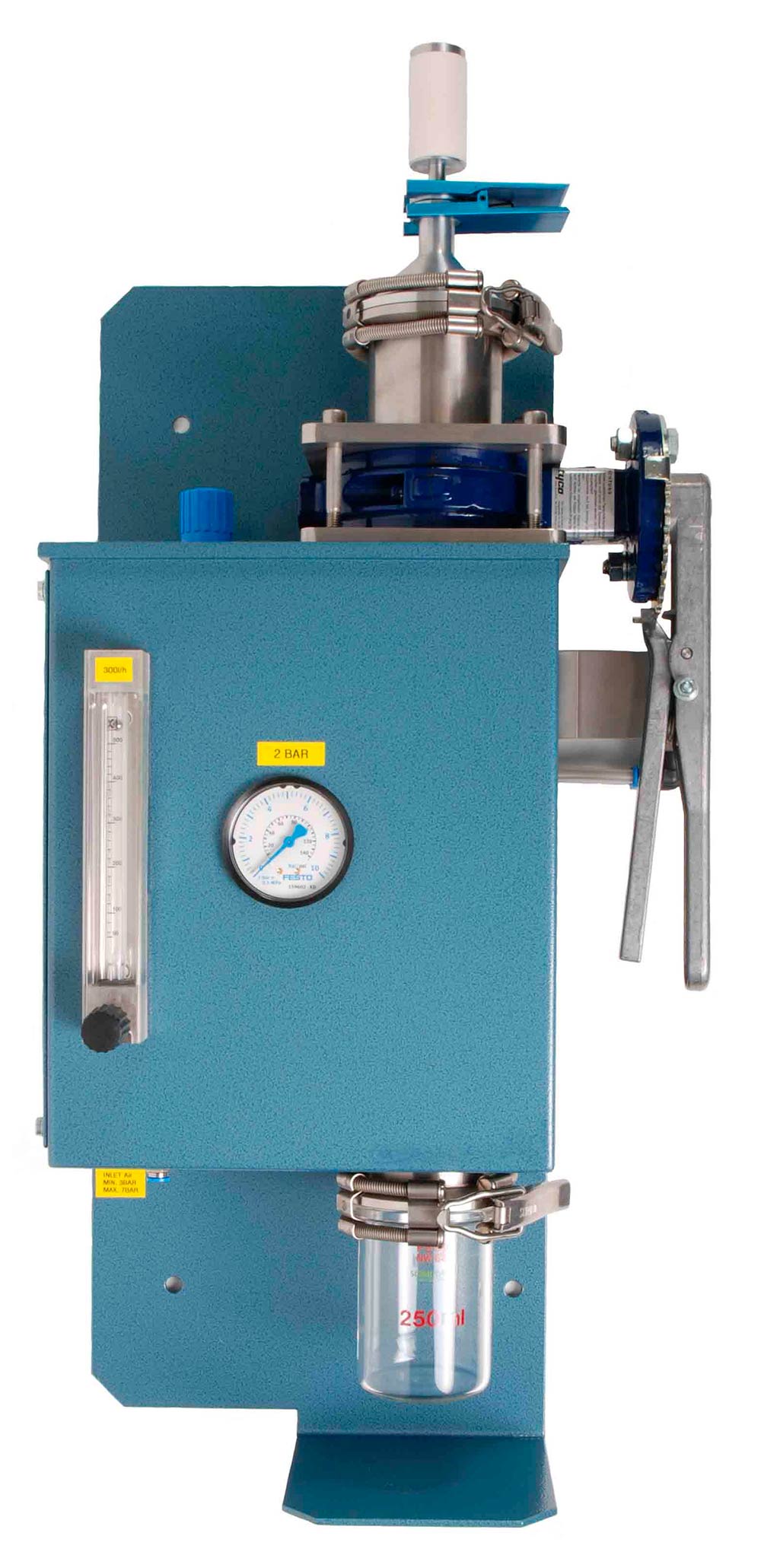
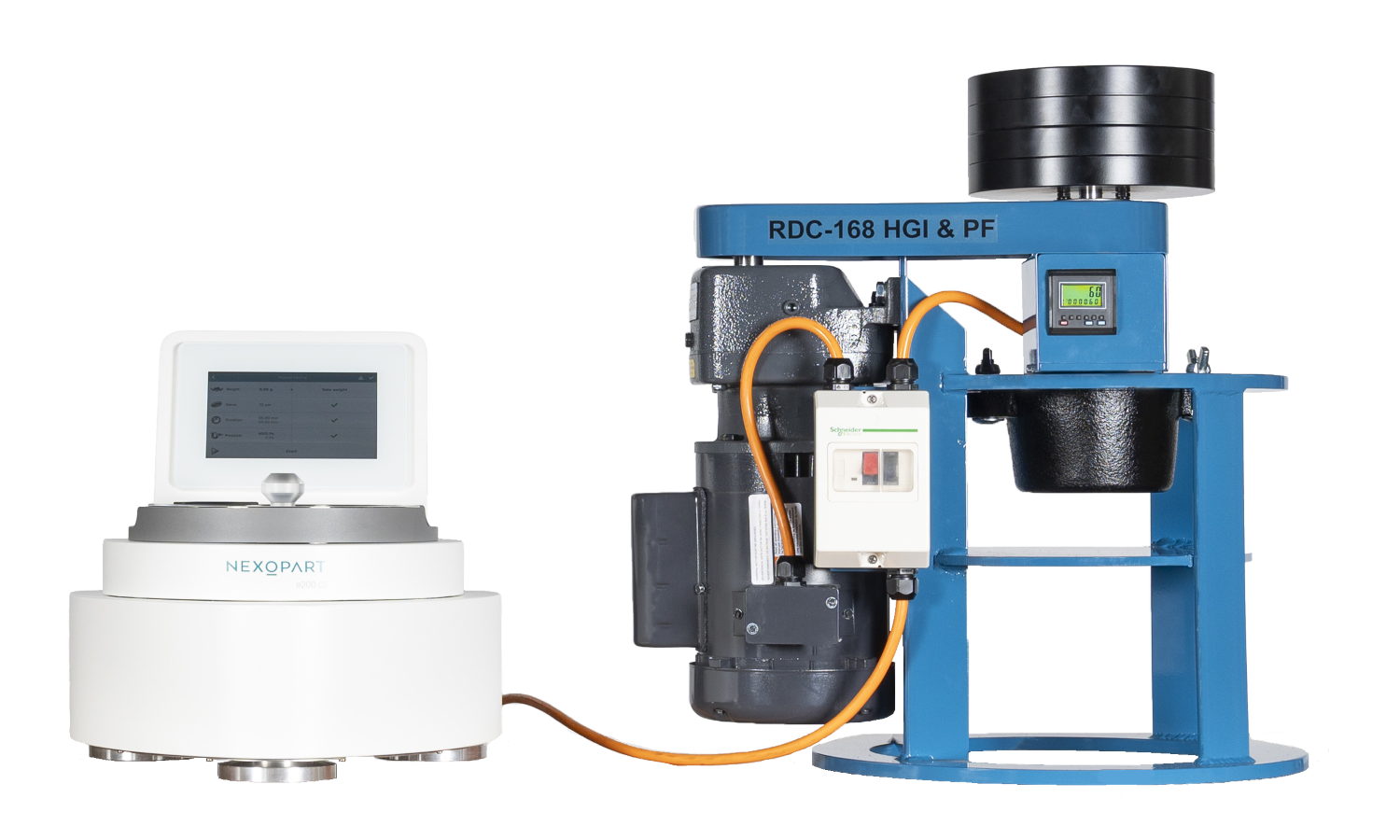
The measurement is conducted with the RDC-168 apparatus, where a prepared sample with a given grain size fraction is subjected to a milling operation with steel balls for a given number of revolutions. In a second step, the sample is taken out and the quantity of fines < 75 μm is determined by using an air forced sieving machine. This weight is used for the calculation of the Hardgrove grindability index (HGI) or of the pulverizing factor.
The HGI is normally used for the measurement of green cokes, while the pulverizing factor is used for calcined coke to increase the sensitivity of the test. The same equipment can be used for both properties; the only differences being the initial grain size of the sample, the number of revolutions and the calculation of the final result.
Technical Information
0.5 kW, 2.2 A
1.5 kW, 6.6 A
Additional Recommended Equipment
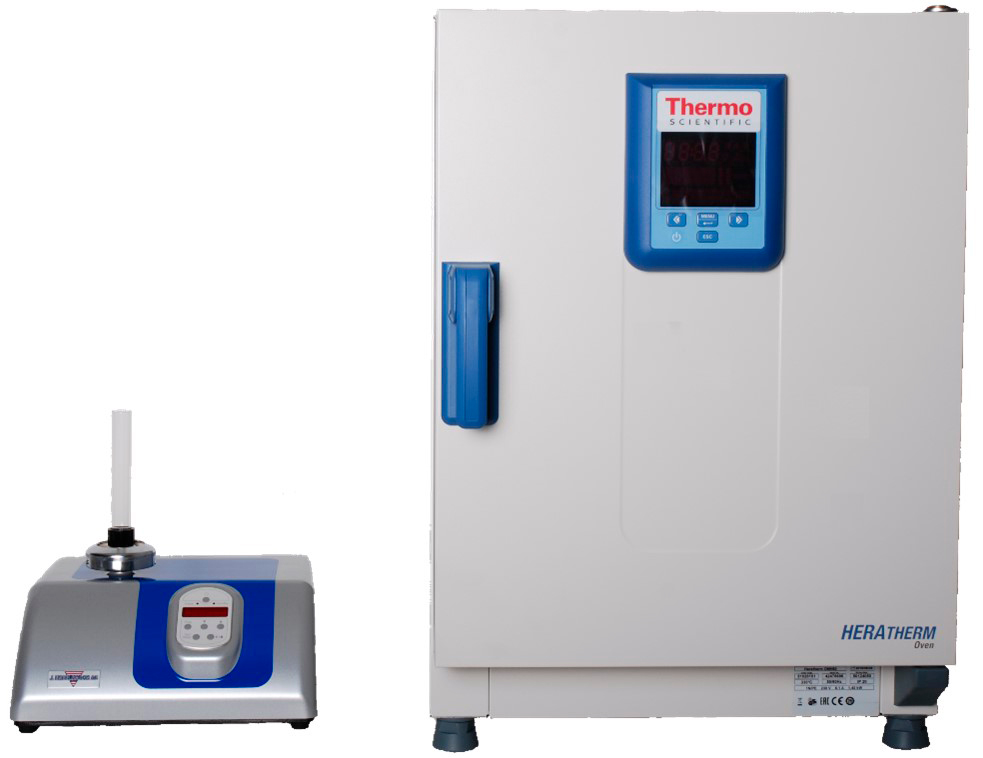
Weighing scale with an accuracy of 0.1 g
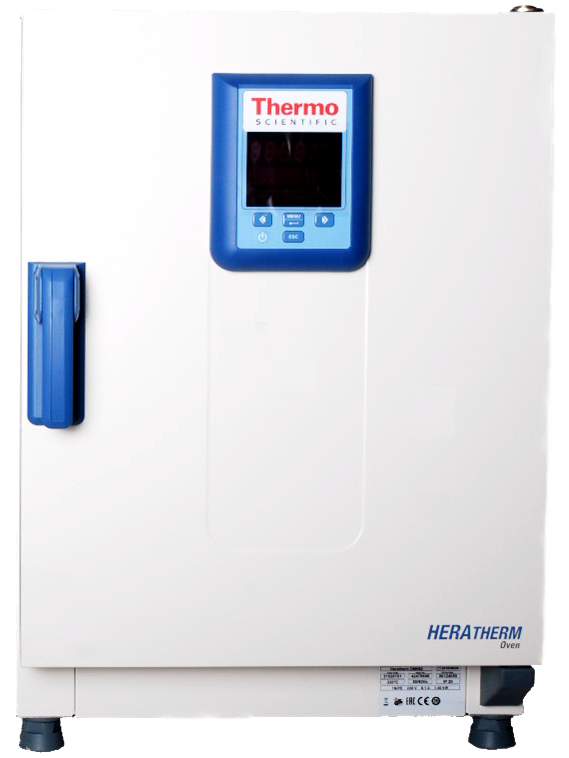
Drying oven (min. temperature 110°C)
Crusher (< 1.5 mm)
Sieving machine (1.16, 1, 0.6 and 0.5 mm sieves)
Other Granular Equipment