General Description
Handling of calcined coke potentially creates dust emission during loading and transportation, especially when its grain size distribution is fine. To prevent this, a dedusting agent is usually added after calcination. Excessive addition of dedusting oil creates devolatilization problems during baking of the electrodes. A correct oil content is thus mandatory for a smooth production. In addition, the presence of oil can influence other testing procedures, such as the real density or the specific electrical resistance. Therefore, removing any dedusting agent should always be part of the typical sample preparation.
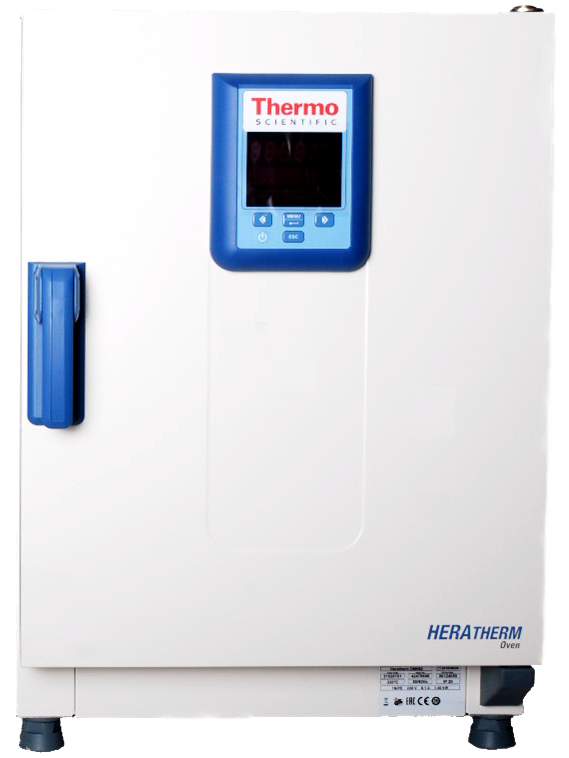
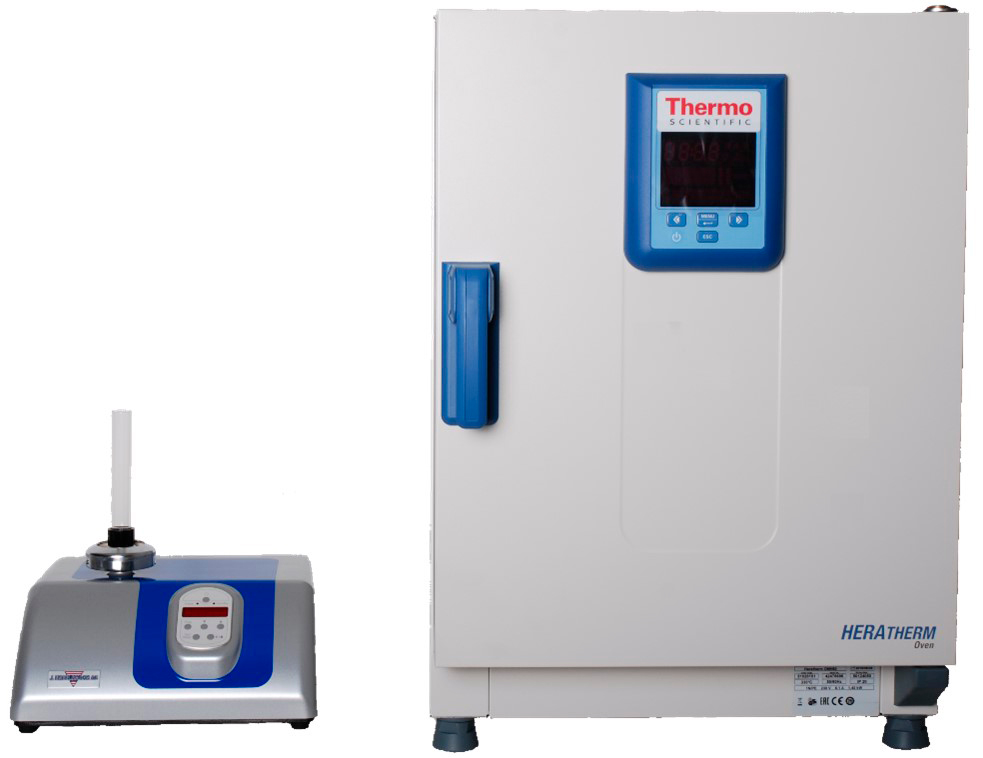
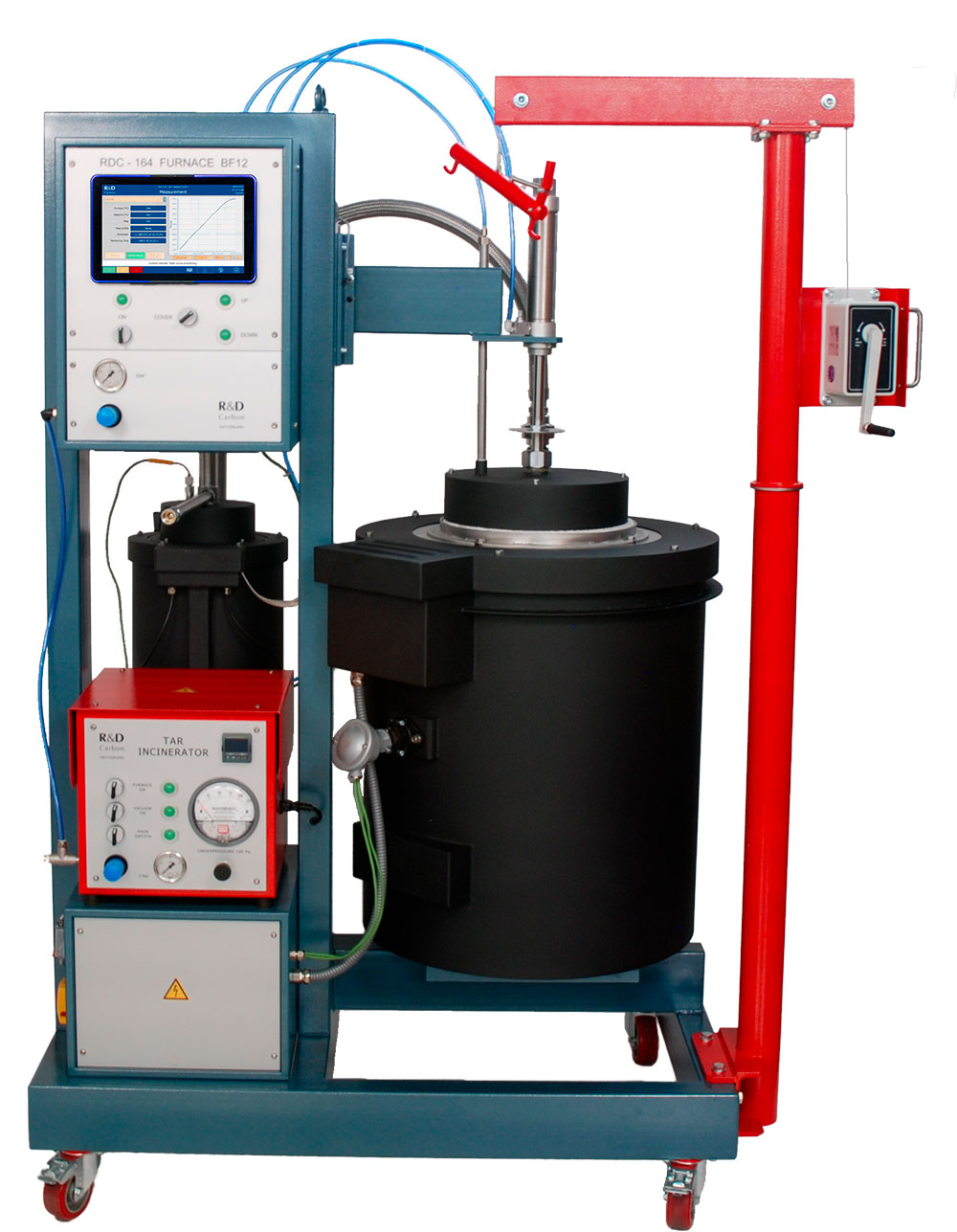
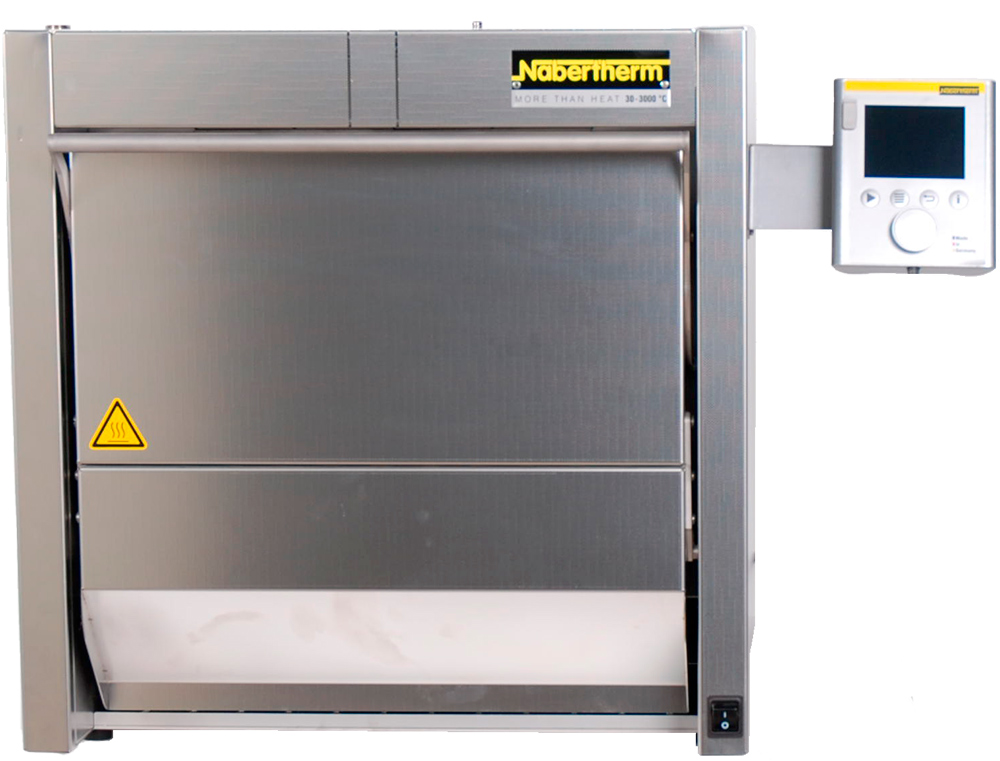
The thermal removal of the oil can be conducted with the RDC-208 apparatus, where the oil present in the calcined coke is burnt. After the test, the losses are expressed as percentage of the initial sample weight for the calculation of the oil content.
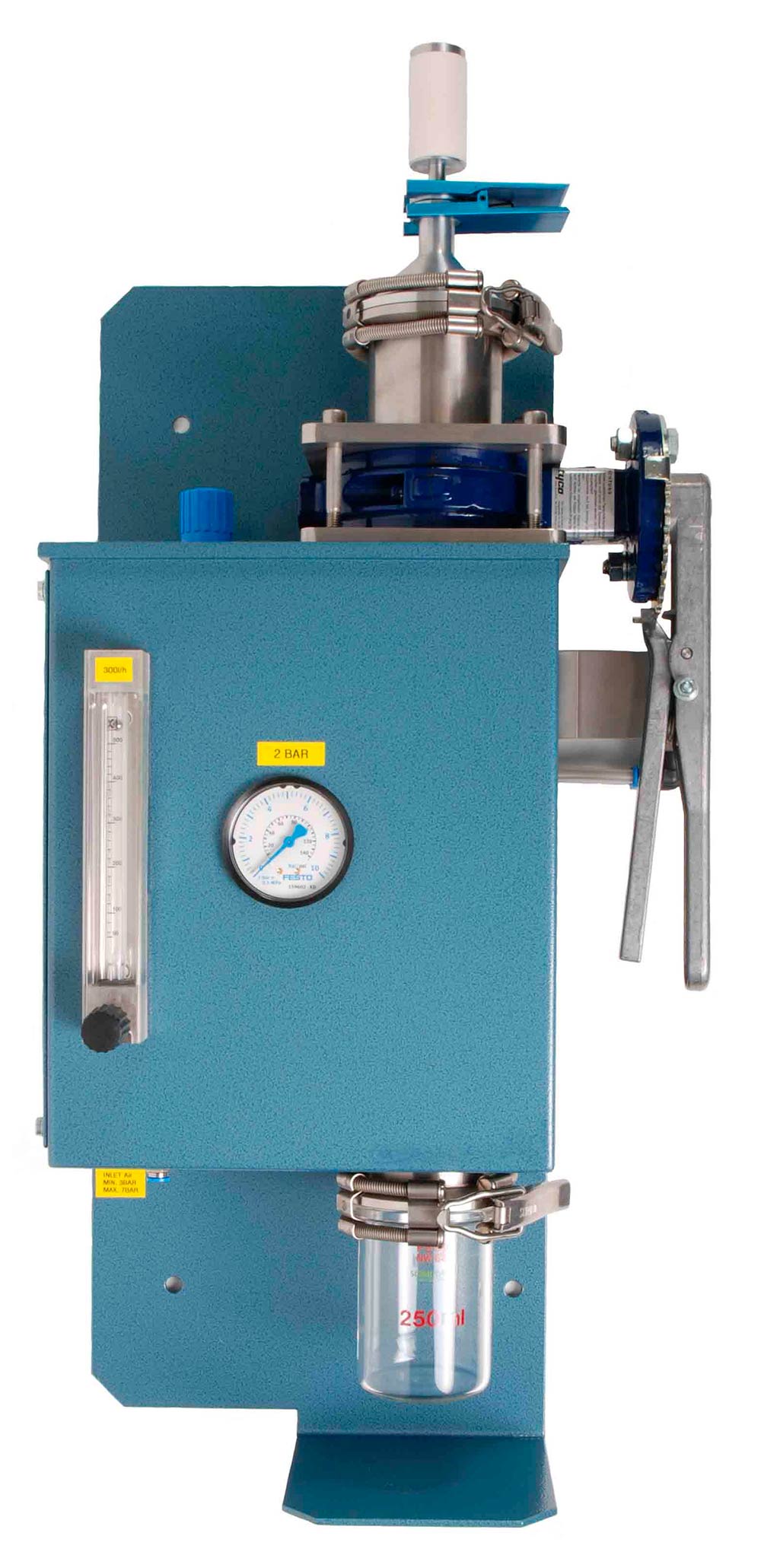
The dusting propensity of a calcined coke can be tested with the RDC-177 equipment to determine the requirement of dedusting agent.
Technical Information
Additional Recommended Equipment
Weighing scale with an accuracy of 0.001 g
Crusher (< 4 mm)

Other Granular Equipment