General Description
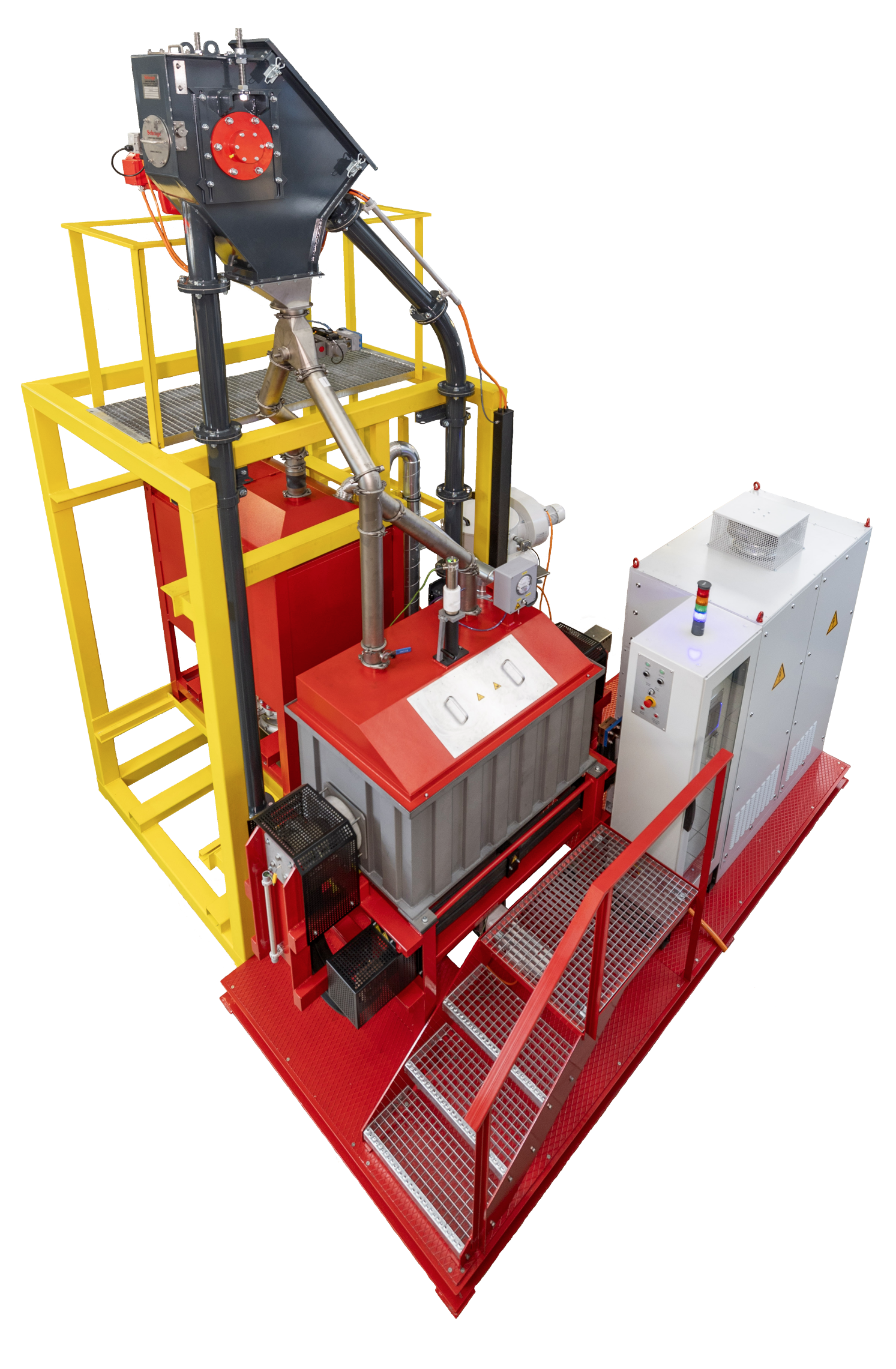
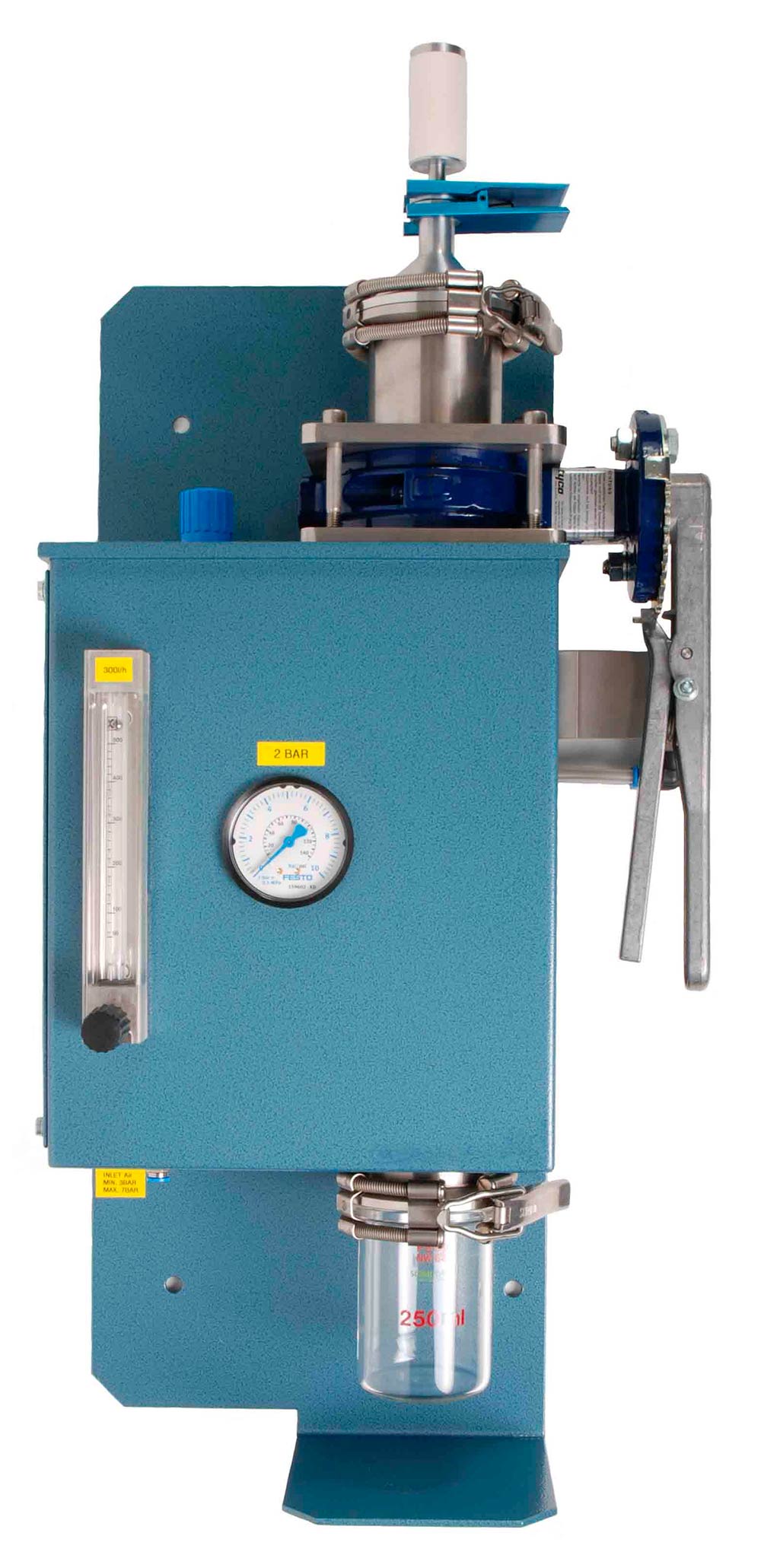
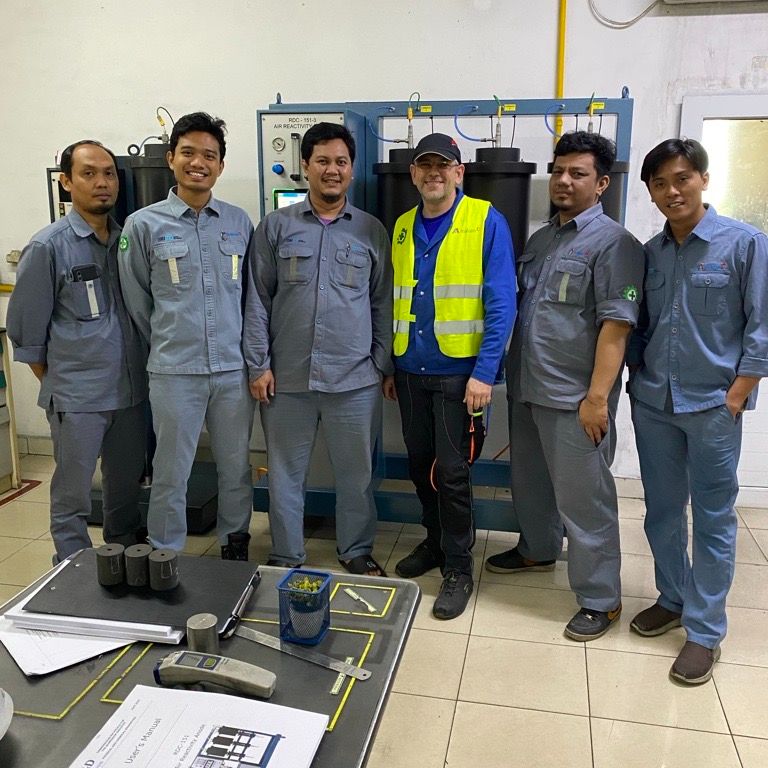
To minimize the net anode consumption in the electrolysis cells, it is important to use anodes with low reactivity to air, which can be measured by the RDC-151 apparatus. This allows increasing the quantity of carbon available for the production of aluminium and decreasing the excess carbon consumption, which reduces the aluminium production cost.
As the air reactivity of the baked anodes is strongly impacted by the reactivity of the raw materials used for its production, it is worthwhile to measure them on a routine basis to predict and anticipate any anode quality variations.
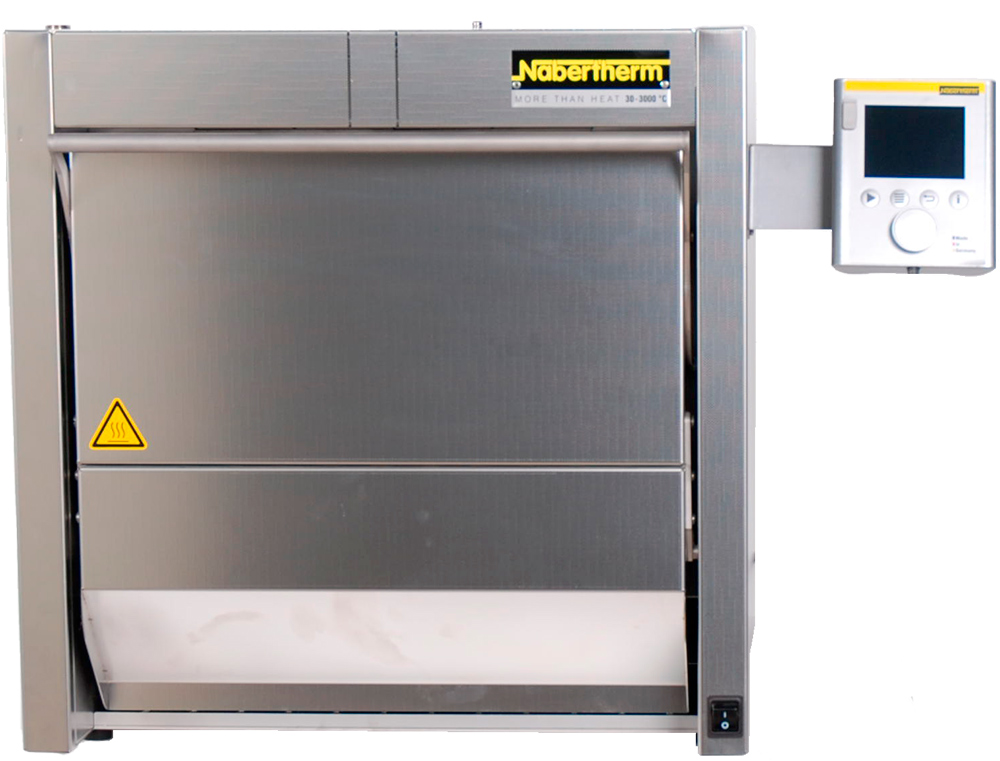
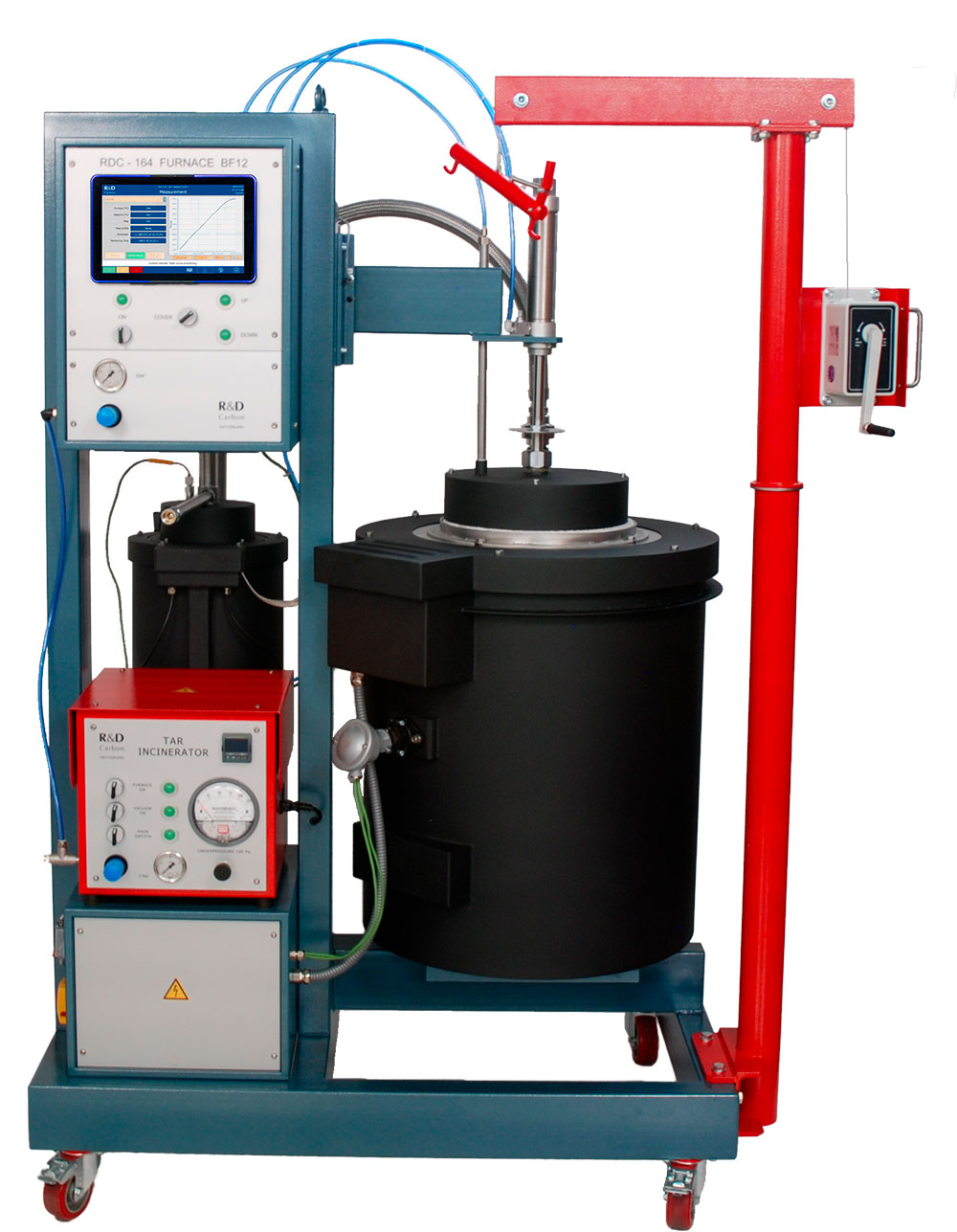
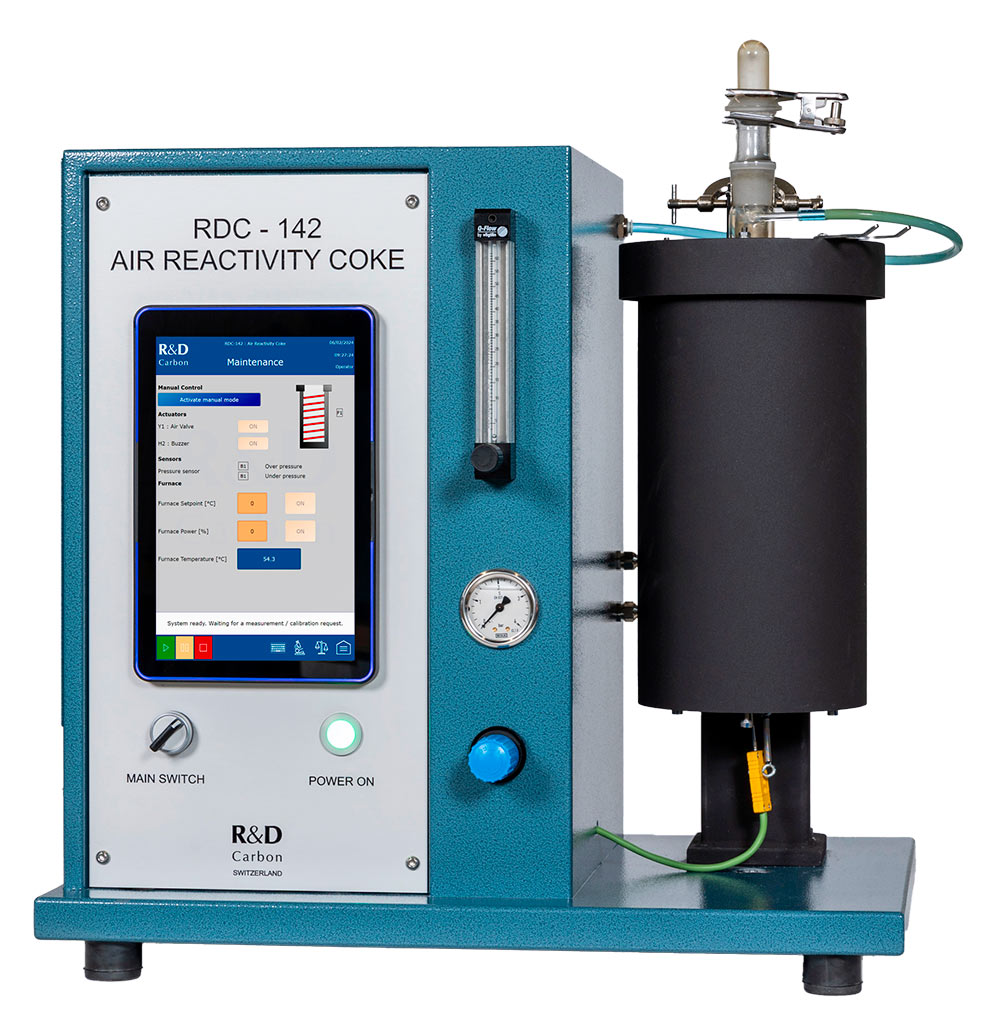
The measurement is conducted with the RDC-142 apparatus, where a sample will be heated with a constant heat-up rate under an air atmosphere until its ignition temperature is detected. Two different heat-up rates are available: a slow one of 0.5°C/min to be used for calcined coke testing and a faster one with 10°C/min to be used for checking the recycled anode butts material.
As indicated in the international method ISO 12982-1, the air reactivity of the sample is calculated in %/min from its ignition temperature according to specific equations.
Technical Information
Additional Recommended Equipment
Oil Content Heating Method (RDC-208)
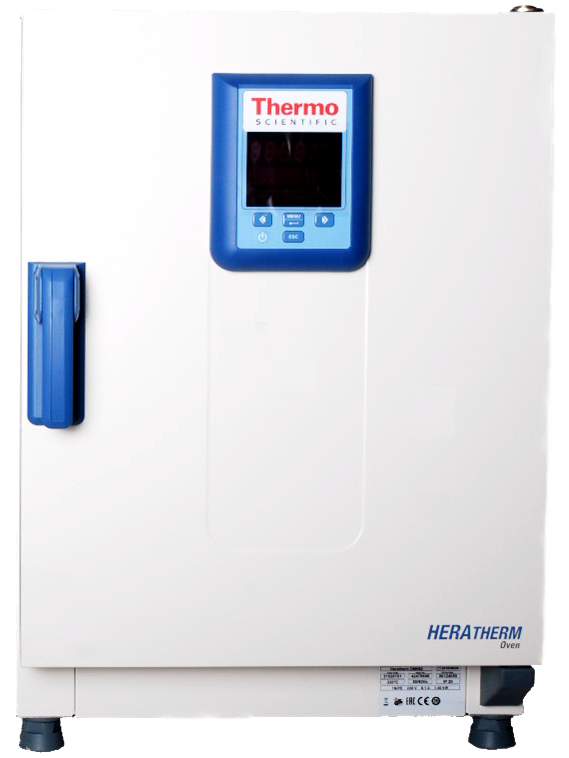
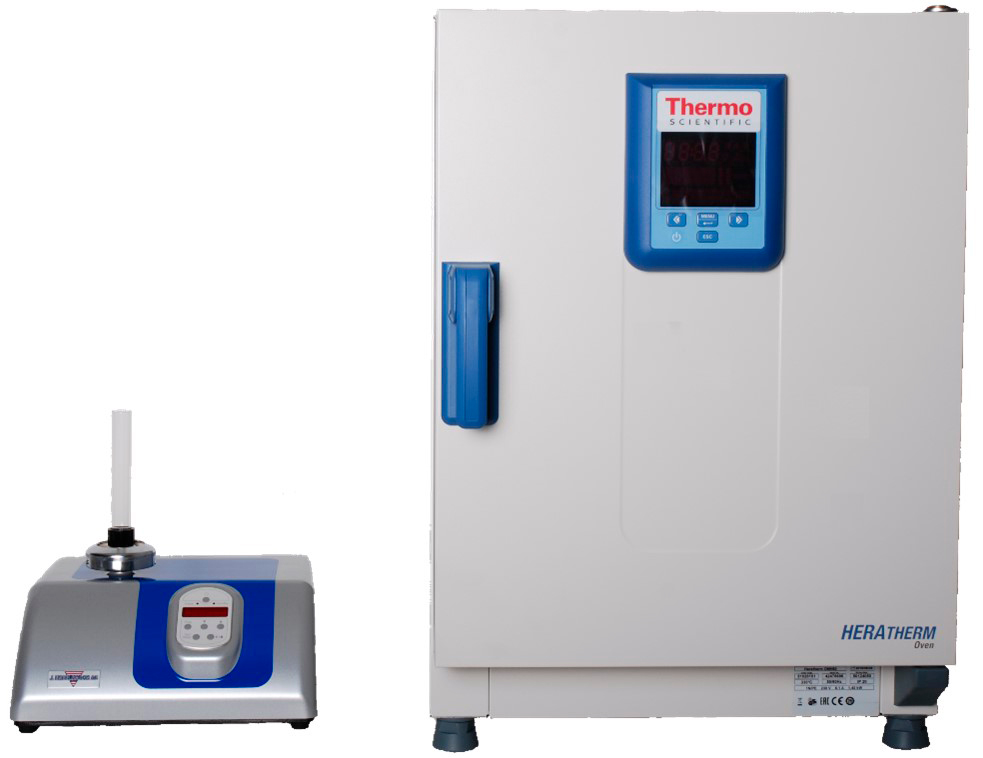
Drying oven (min. temperature 110°C)
Weighing scale with an accuracy of 0.01 g
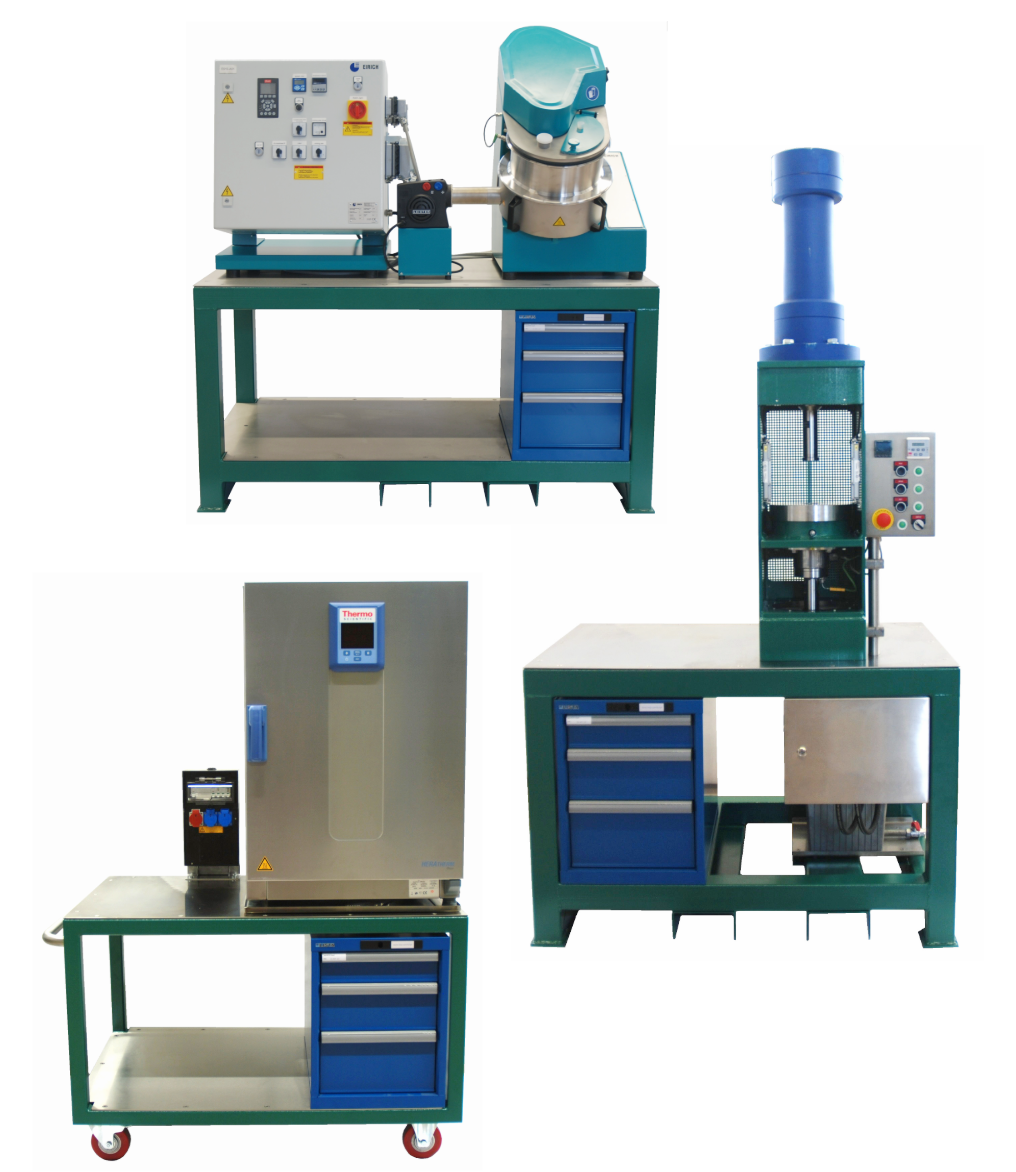
Crusher (< 1.5 mm)
Sieving machine (1.4 mm and 1 mm sieves)

Other Granular Equipment