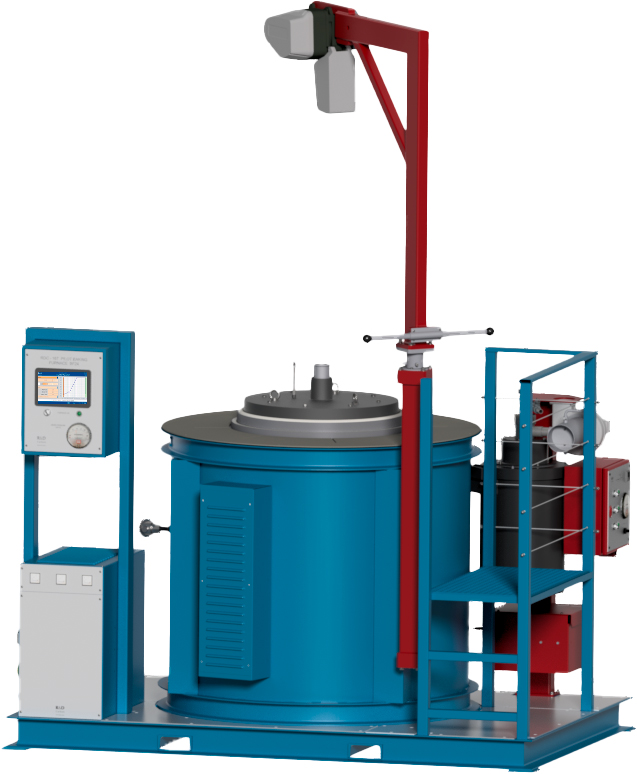
General Description
During the baking of the carbon electrodes, the binder pitch is converted into pitch coke with a more ordered structure. During this process, volatile compounds from the binder are released, which substantially increases the porosity in the baked electrodes. Due to the very complex molecular structure of the pitch, vapors evolve at different temperature ranges, and the heat-up rate in the baking furnace must be adapted accordingly to avoid increased porosity or electrode cracking. Determining the different fractions of volatiles allows a prediction for the adjustment of the baking process. In addition, defining the quantity of low molecular weight fractions can give an indication of possible pitch contamination or the addition of solvent.
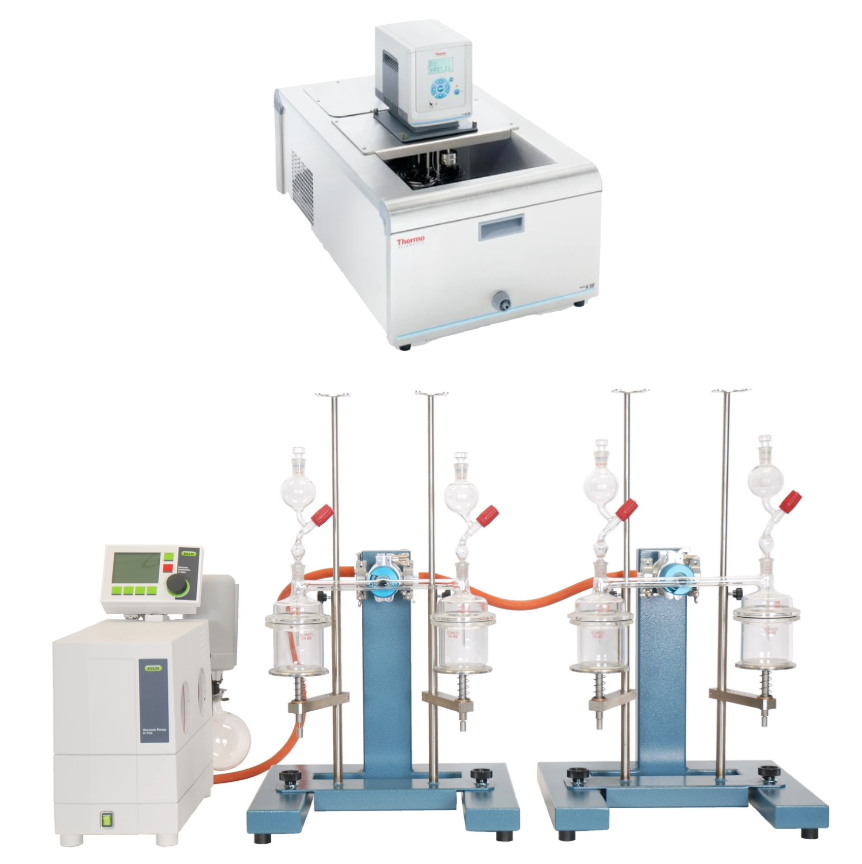
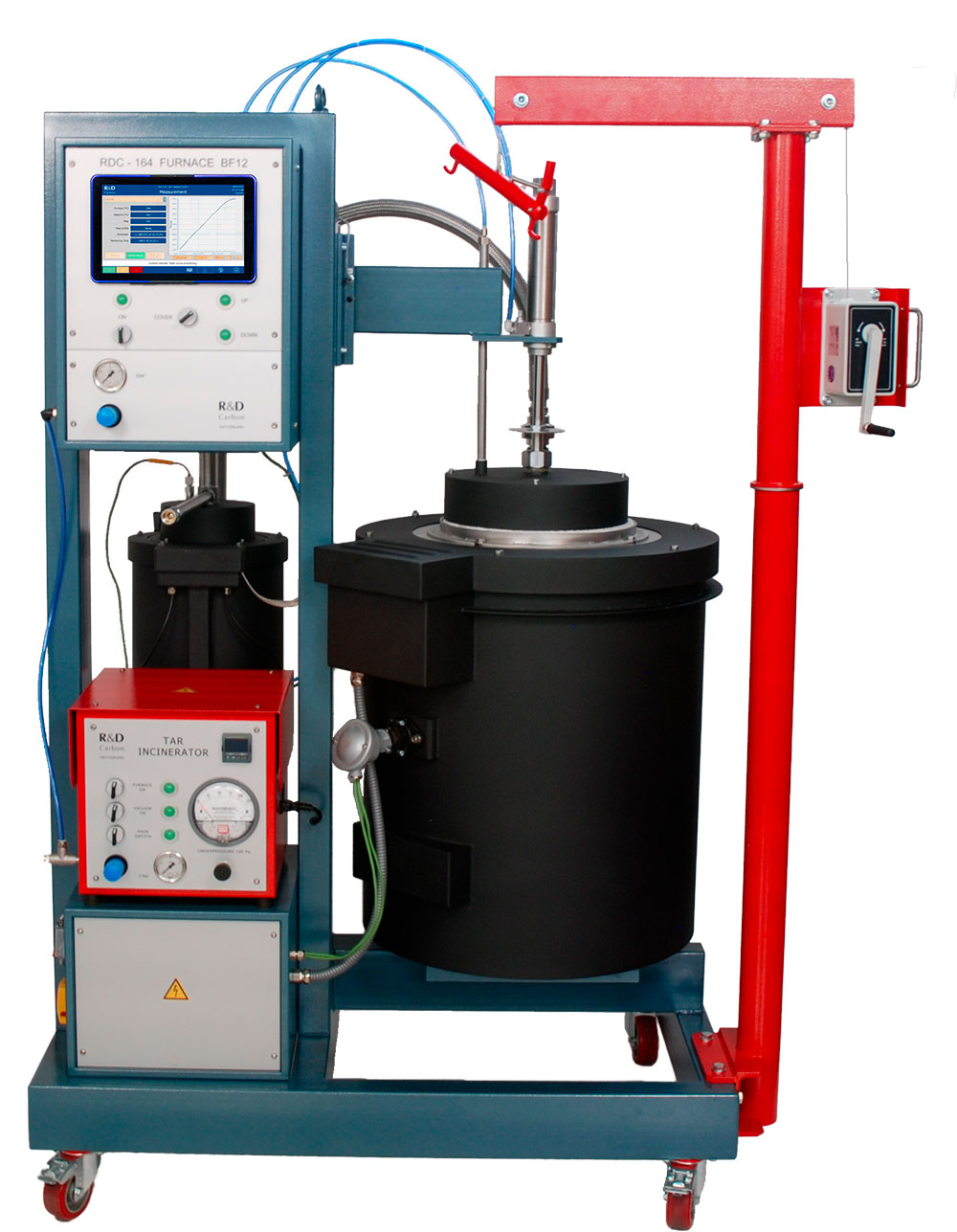
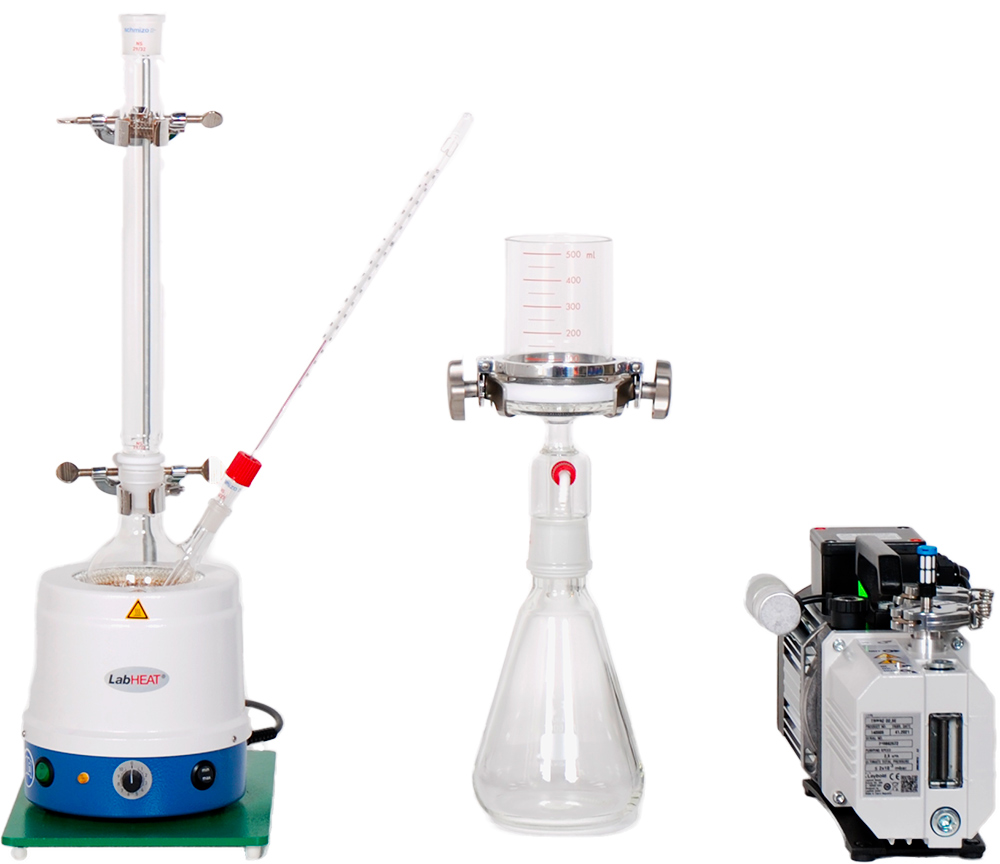
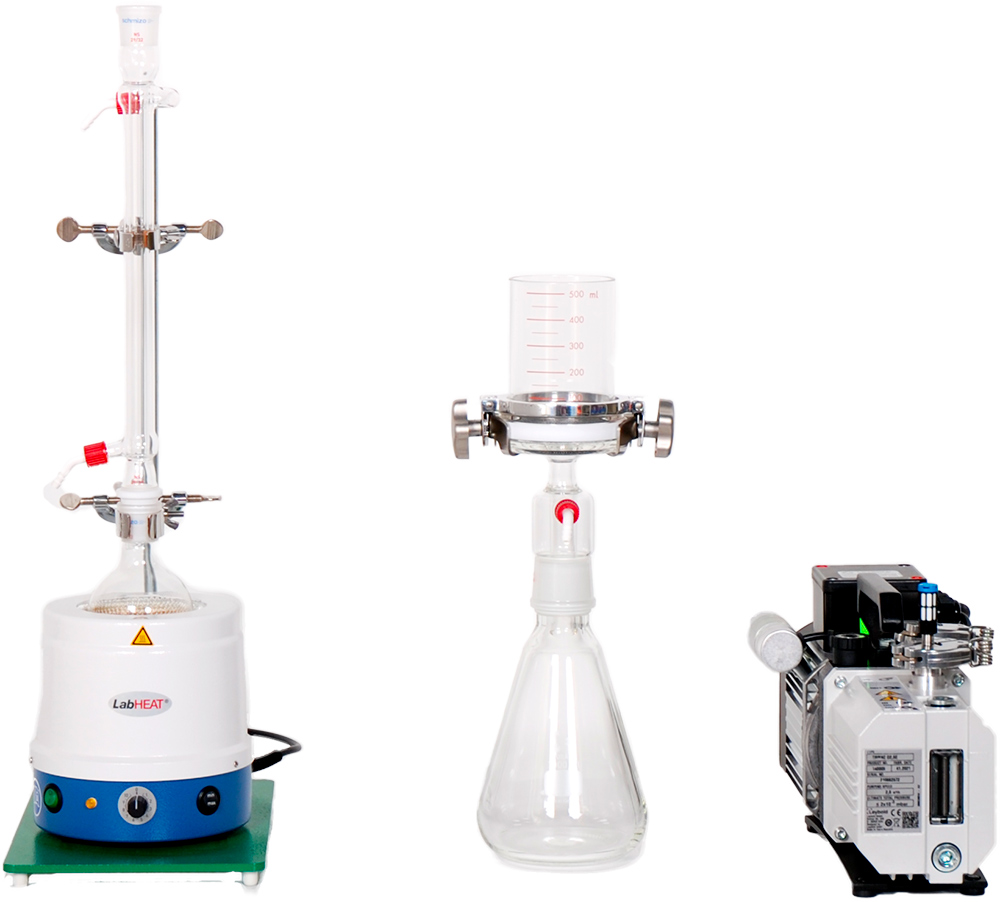
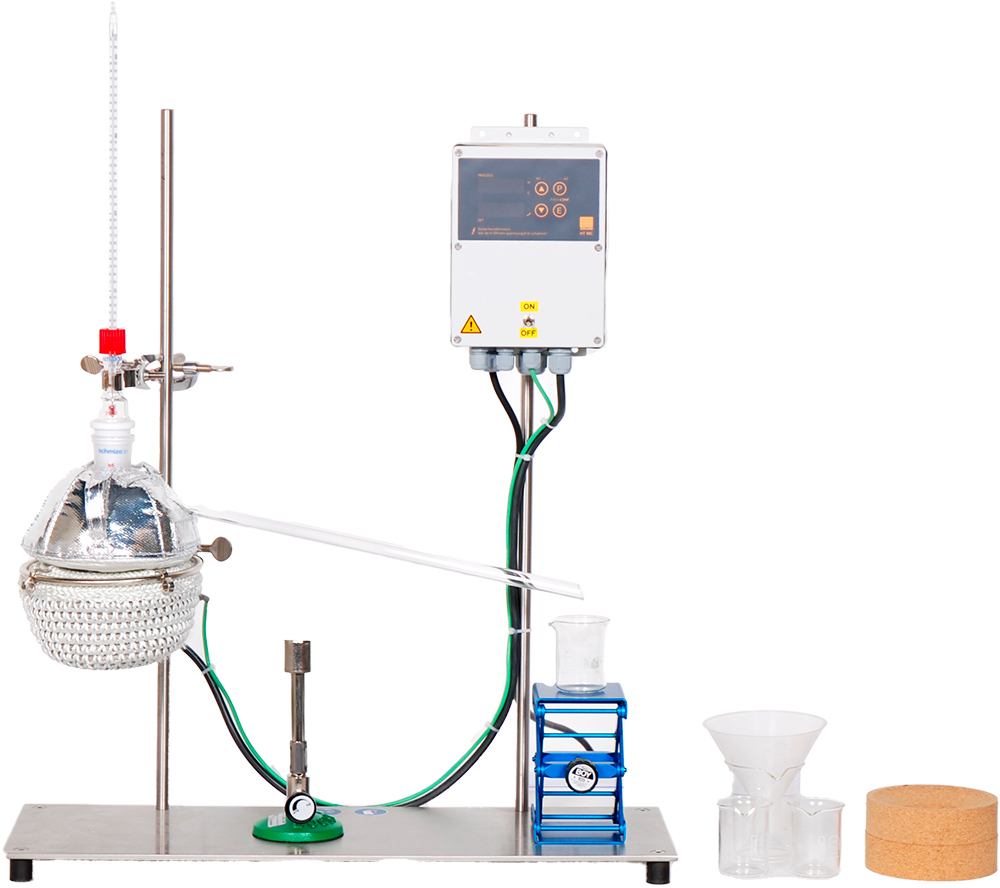
The measurement is conducted with the RDC-170 apparatus, where a pitch sample is heated with a given heat-up rate, while the quantity of volatiles is measured for two temperature levels of 270°C and 360°C. The weight of volatiles is expressed as a percentage of the initial sample weight to calculate the fractionated distillation up to 270°C and to 360°C.
Technical Information
Additional Recommended Equipment
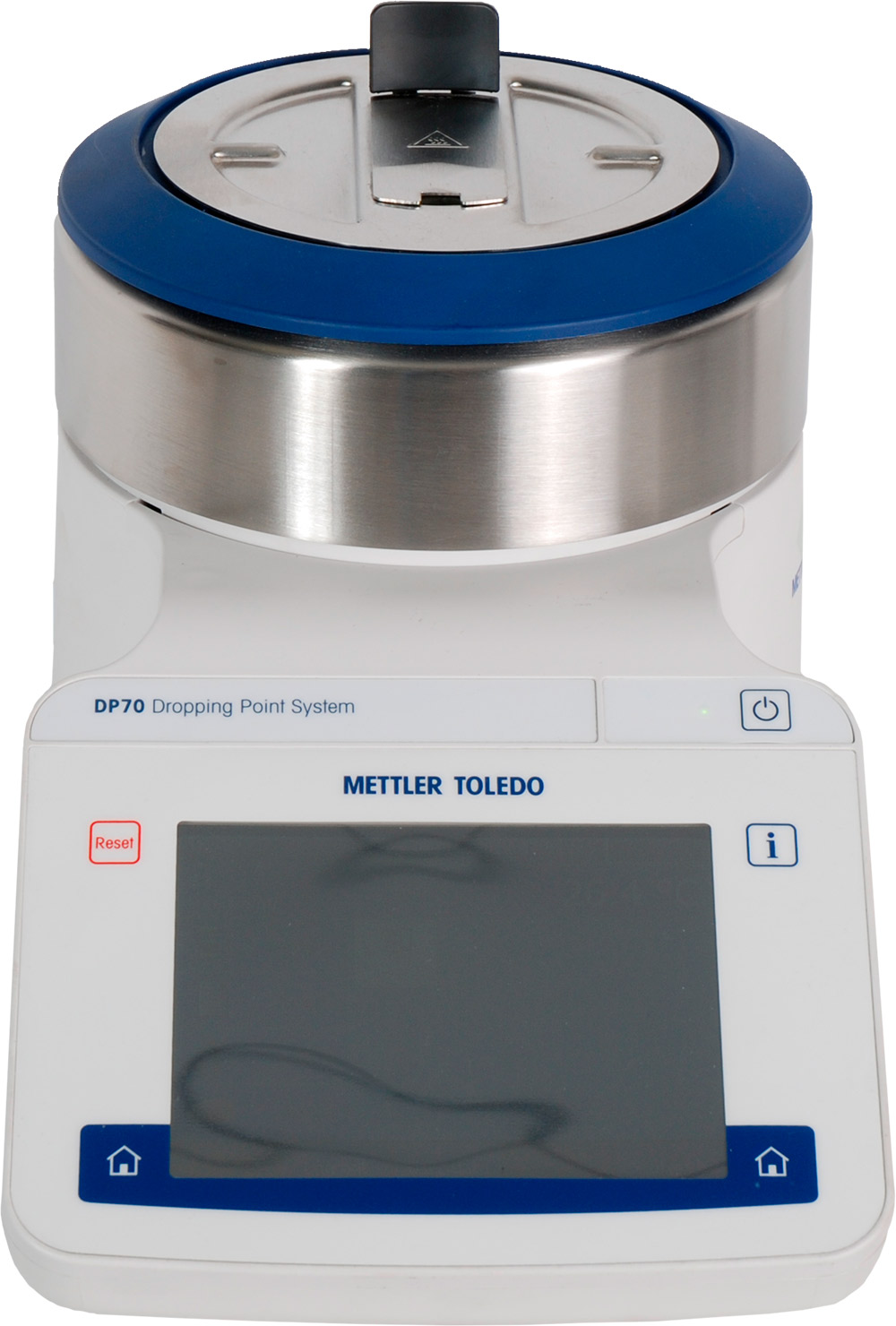
Weighing scale with an accuracy of 0.01 g
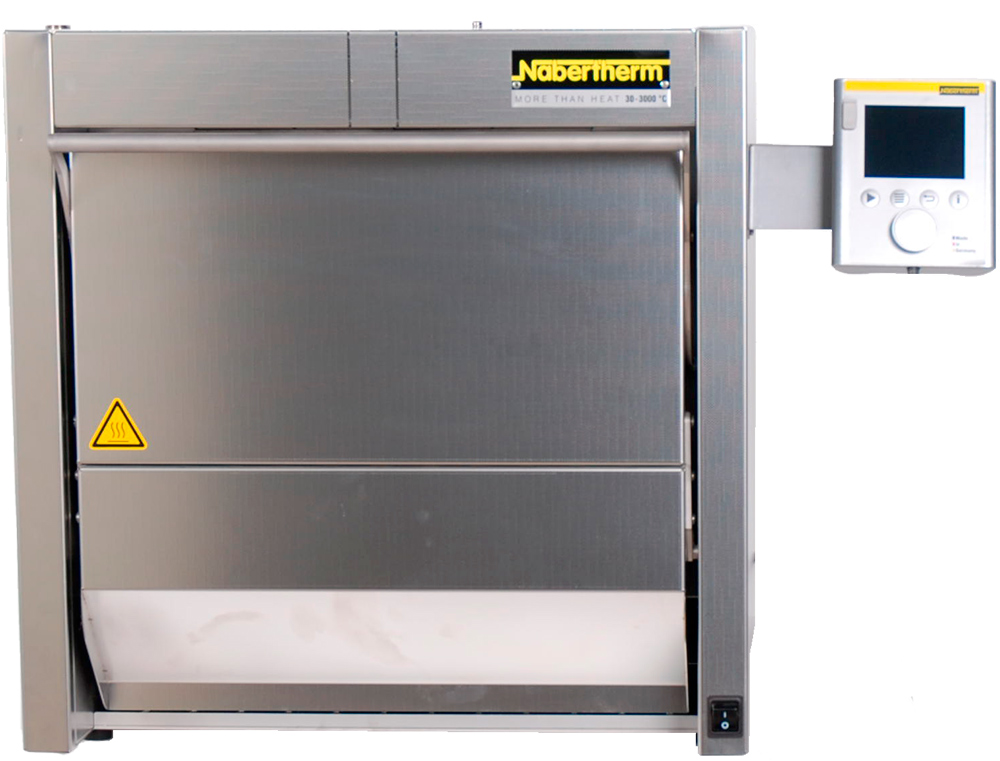
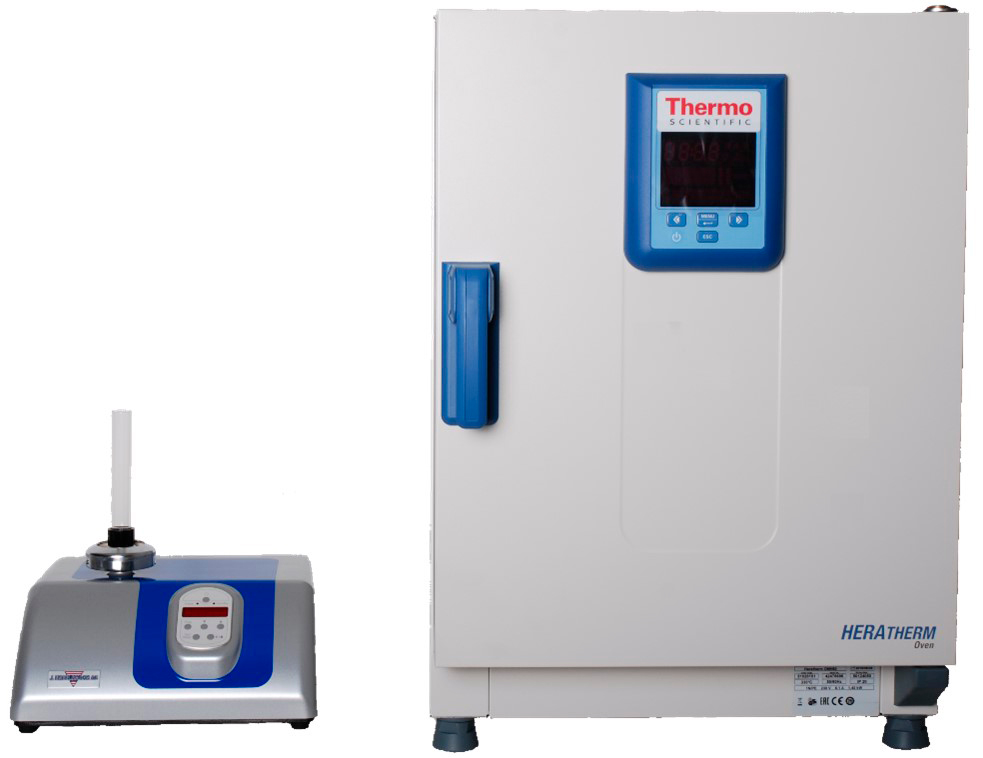
Oven for cleaning (min. temperature 550°C)
Crusher (< 4 mm)

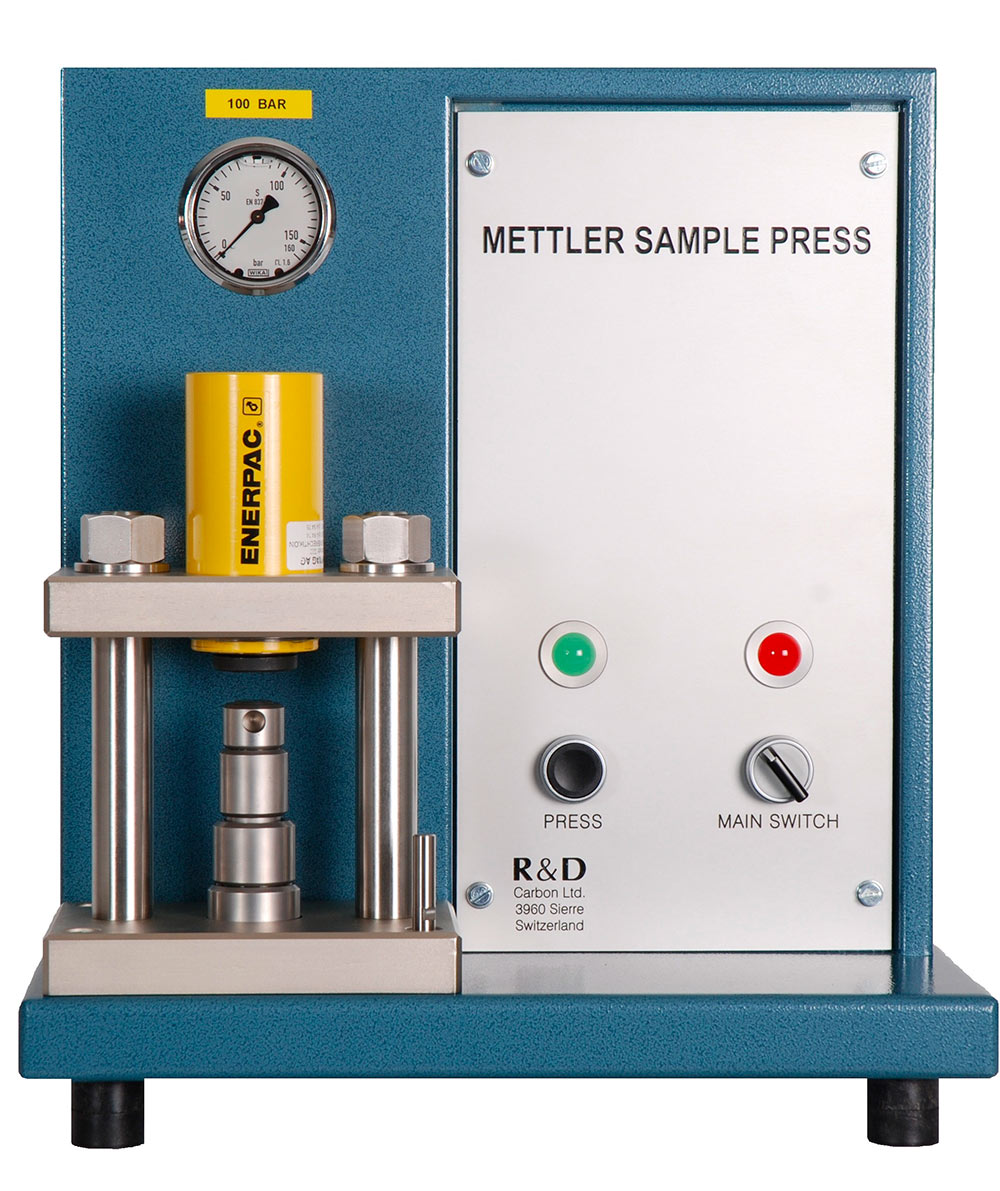
Other Binder Equipment