General Description
The specific electrical resistance of the electrode, strongly influenced by the coke, is an important property to minimize, as it directly affects the voltage drop and, thus, the metal production cost. Measuring the electrical resistance of the coke also provides an indication of the heat treatment that the material has undergone during calcination. Its information is, therefore, valuable for the process control of coke calciners.
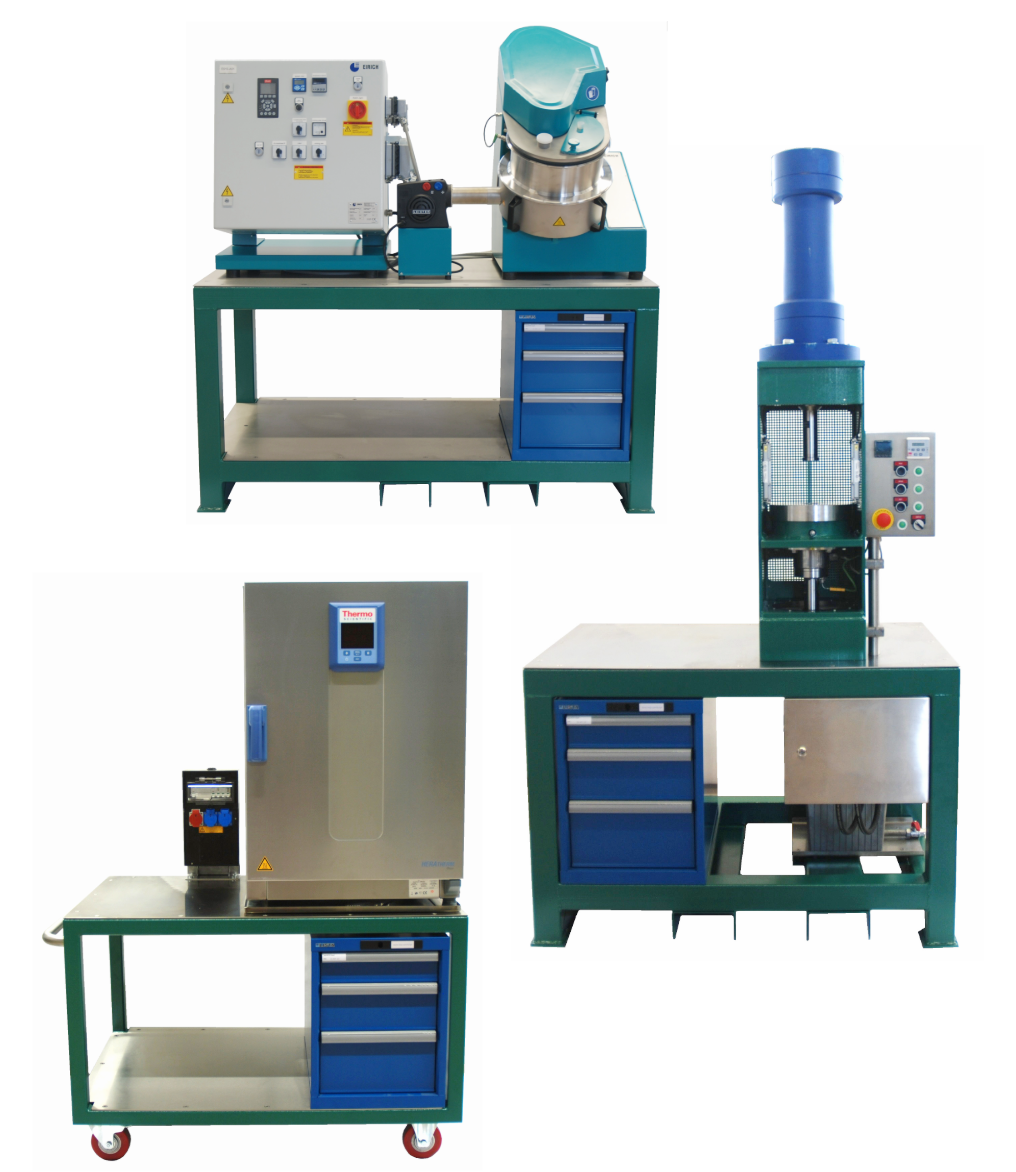
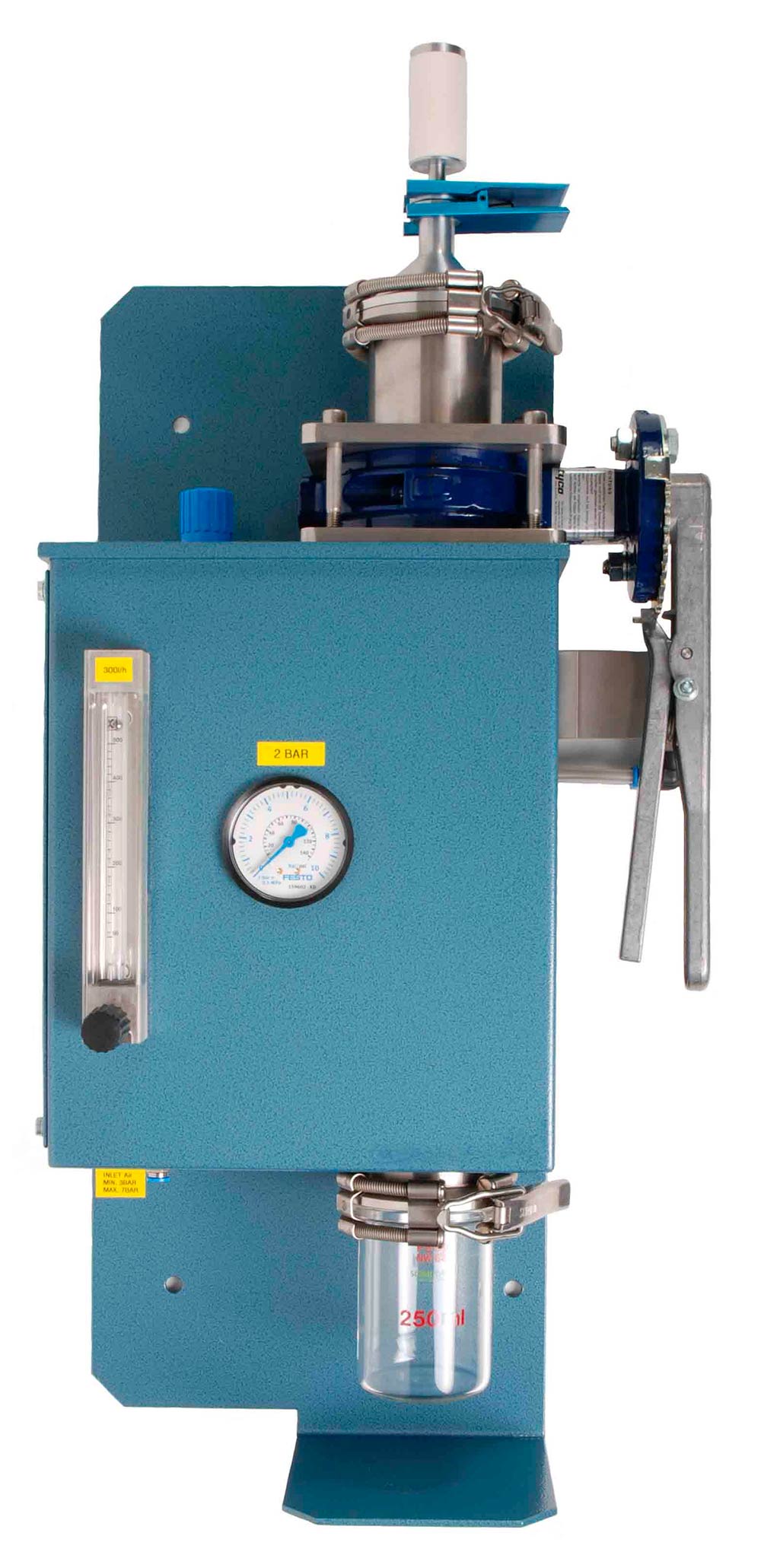
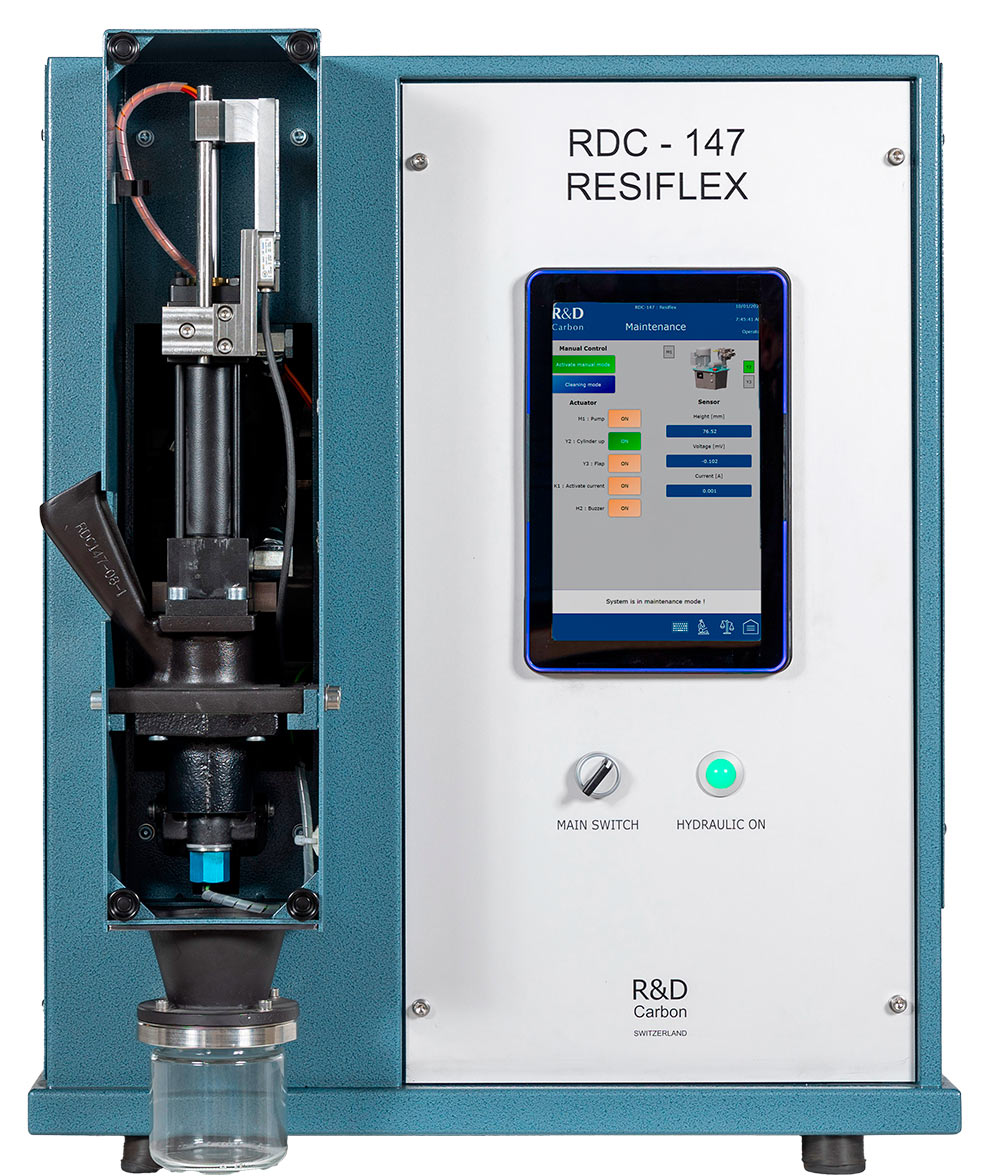
The measurement is conducted with the RDC-147 apparatus, where a given weight of sample from a specific fraction is pressed in a chamber where a constant direct current is applied. The voltage drop, combined with the height of the sample, is measured to calculate its specific electrical resistance in μΩm. By measuring the height of the sample, the pressed density in kg/dm3 can be calculated at the same time.
Technical Information
Additional Recommended Equipment
Oil Content Heating Method (RDC–208)
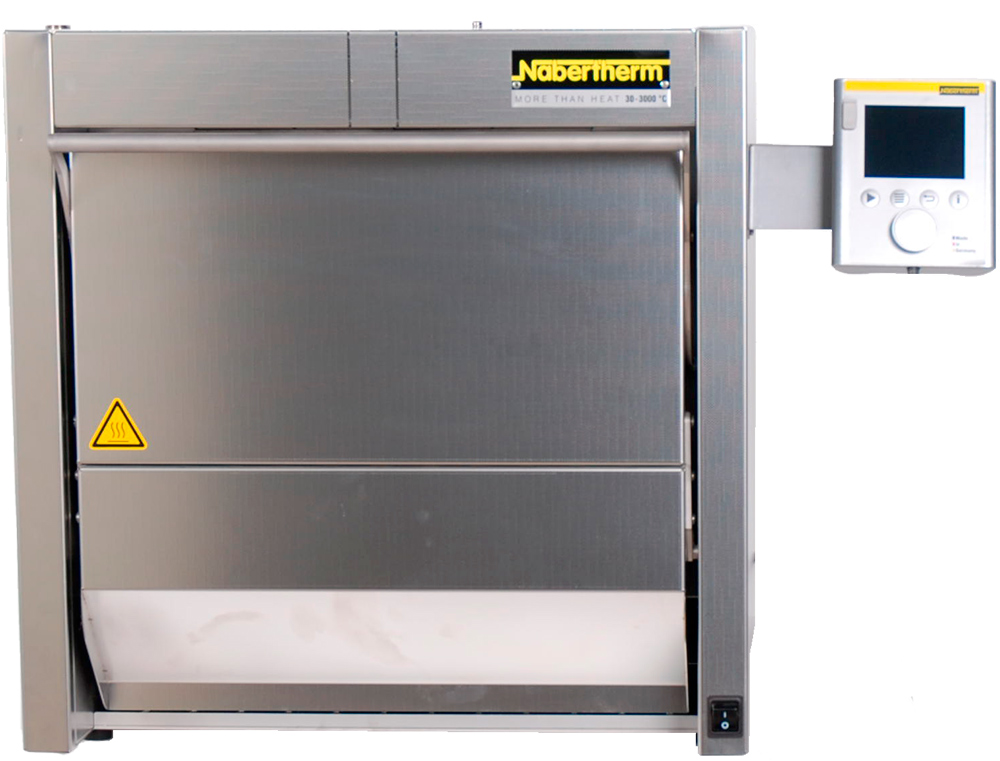
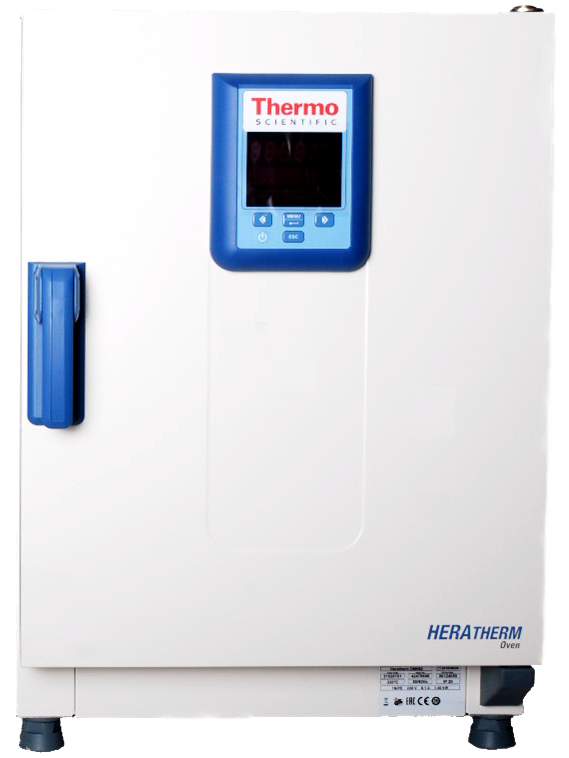
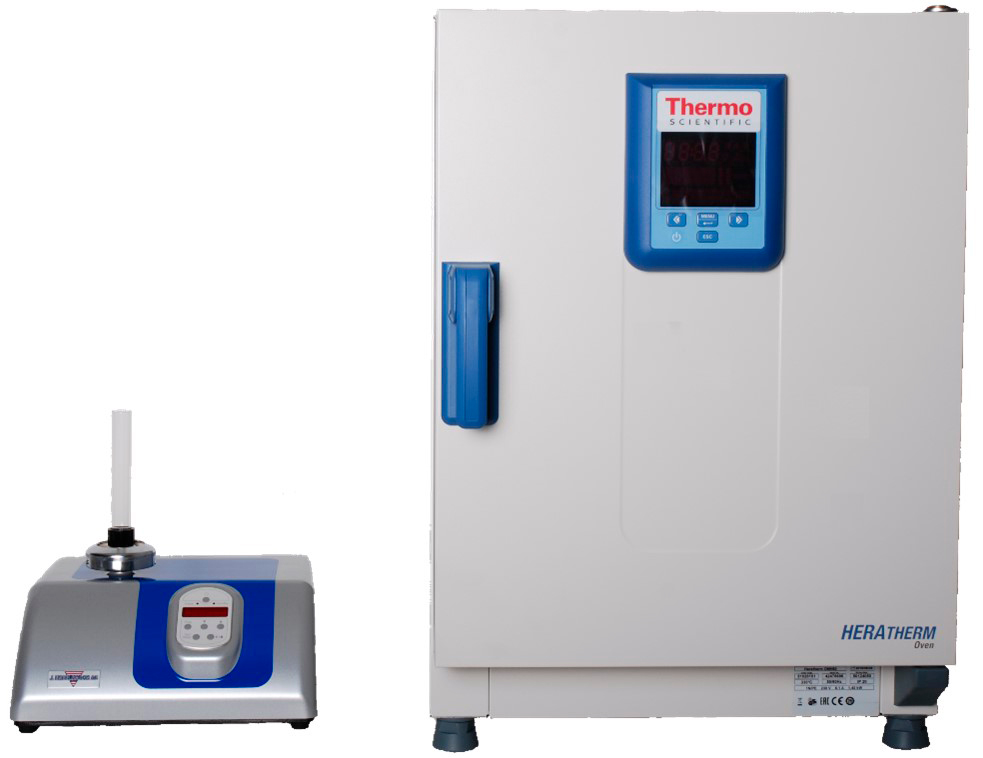
Drying oven (min. temperature 110°C)
Weighing scale with an accuracy of 0.01 g
Crusher (< 1.5 mm)
Sieving machine (1.4 mm and 1 mm sieves)
Video

Other Granular Equipment