Electrodes
In-plant

General Description
Depending on their reactivity levels, prebaked anodes can be attacked by CO2 and air gases during their use in the electrolysis cell. When a strong burning occurs, the porosity of the anodes increases and soft anode butts are created. Recycling this material will make the next anode generation even more reactive. A vicious circle then starts, with consequences such as increased carbon consumption, carbon dusting, spikes, pot instability and reduced current efficiency.
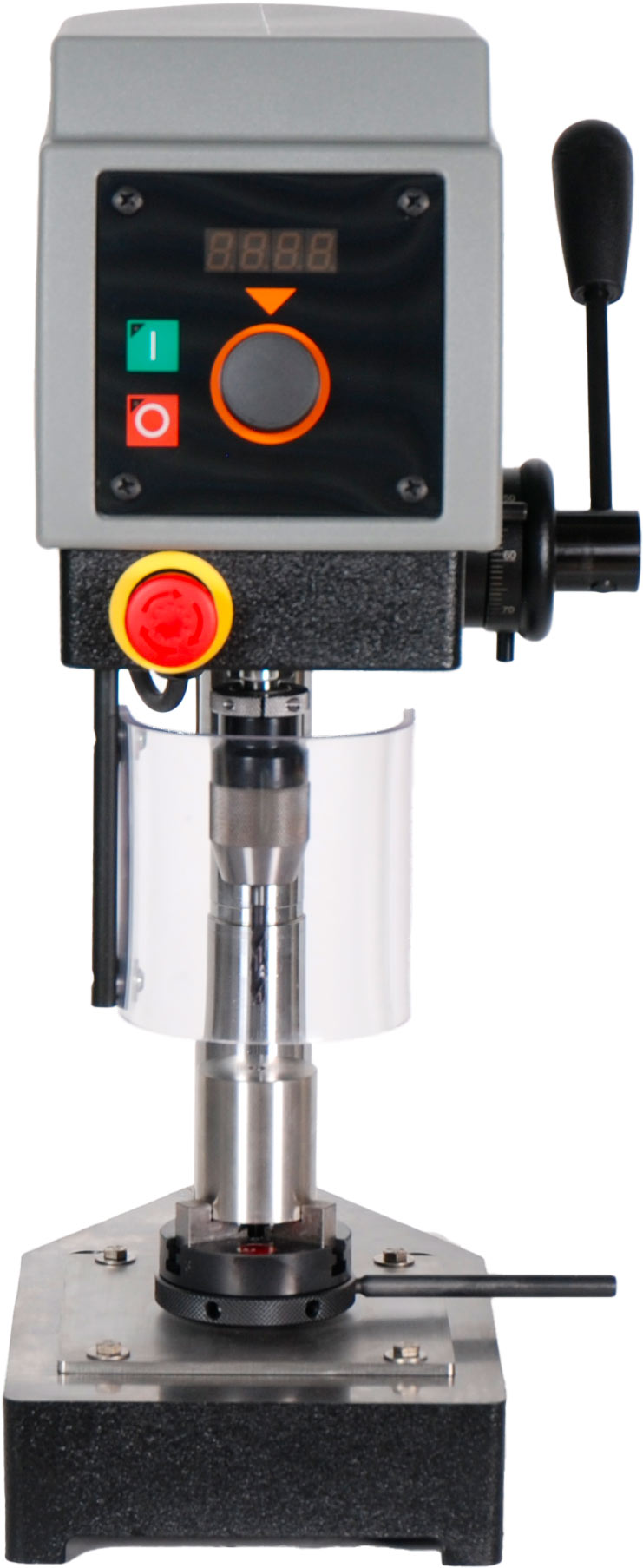
Measuring the butts hardness is an efficient tool to timely react to a deterioration of the anode butts quality. The measurement is conducted with the RDC-188 hardness tester, which consists of measuring the penetration depth of two steel pins into the anode butts surface.
Technical Information
Property
Hardness [mm]
Sample
Full anode butts
Process Time
~ 2 minutes
Installation
Portable
Dimensions (LxWxH)
25 x 25 x 10 cm
Weight
1 kg
Database Connection
No

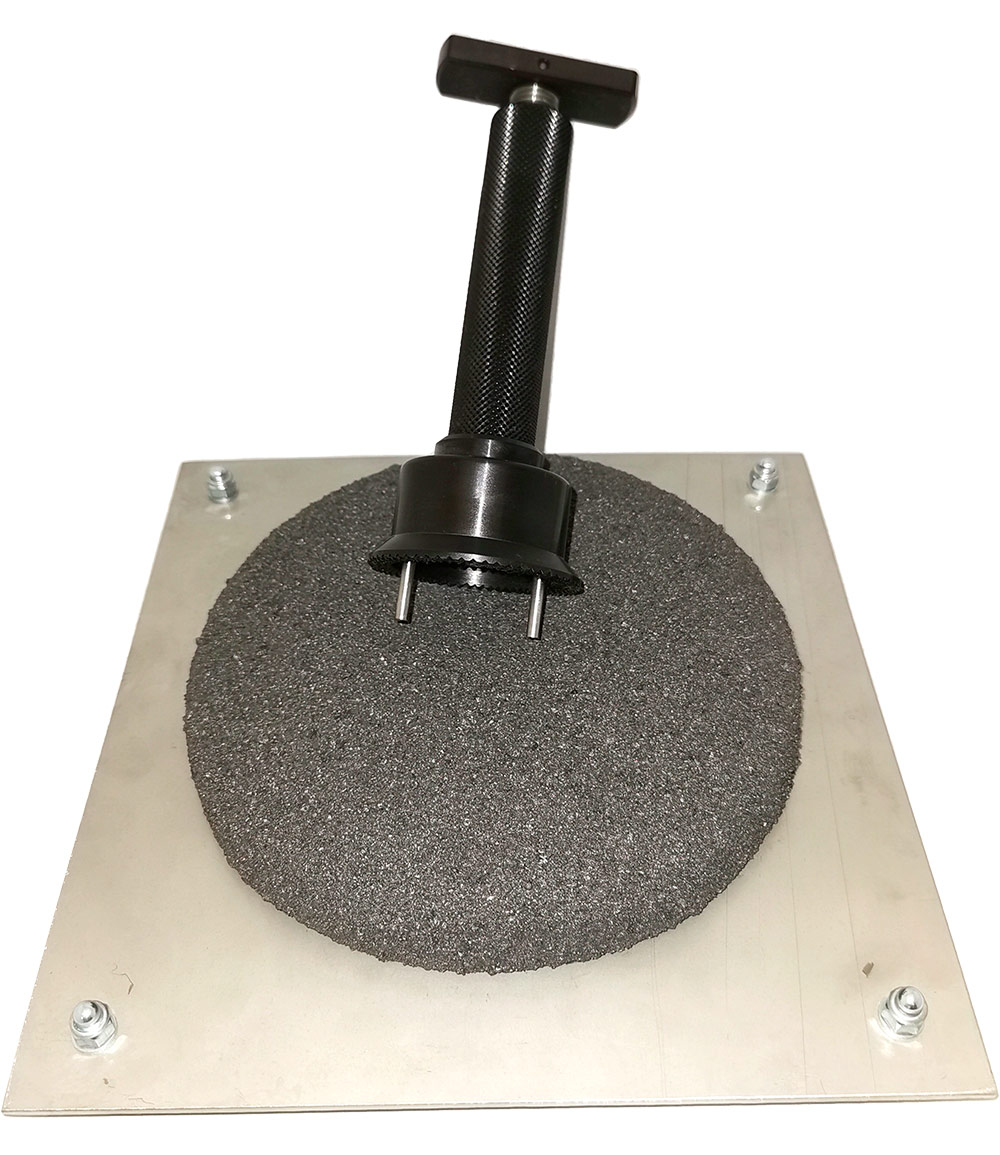
Carbon Test Equipment
Other Electrodes Equipment
List of Equipment