General Description
During the electrolysis, CO2 is formed at the bottom of the anode, where the carbon anode reacts with the oxygen from the electrolyte bath. Depending on the anode quality, a back reaction can occur between the CO2 and the anode, which increases the net anode consumption. If a selective attack of the binder matrix occurs, carbon particles get excavated from the anode and end up in the electrolysis bath. This phenomenon is referred to as carbon dusting. It leads to a higher bath resistivity and temperature to the extent that the current efficiency may be decreased. It may also trigger spikes formation. It is of primary importance to produce anodes with a minimum CO2 reactivity to avoid such performance problems, which have a strong influence on the smelter cost.
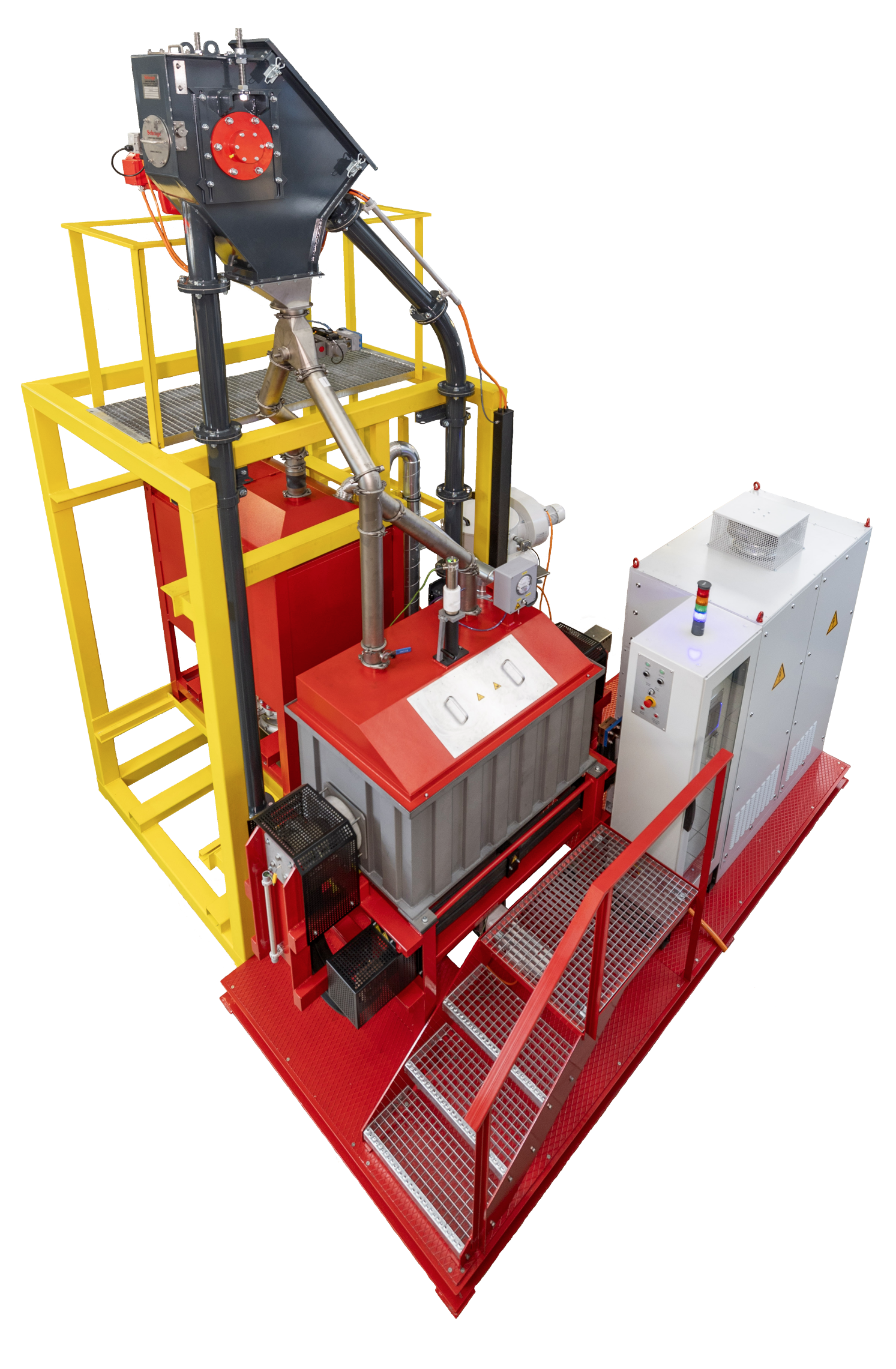
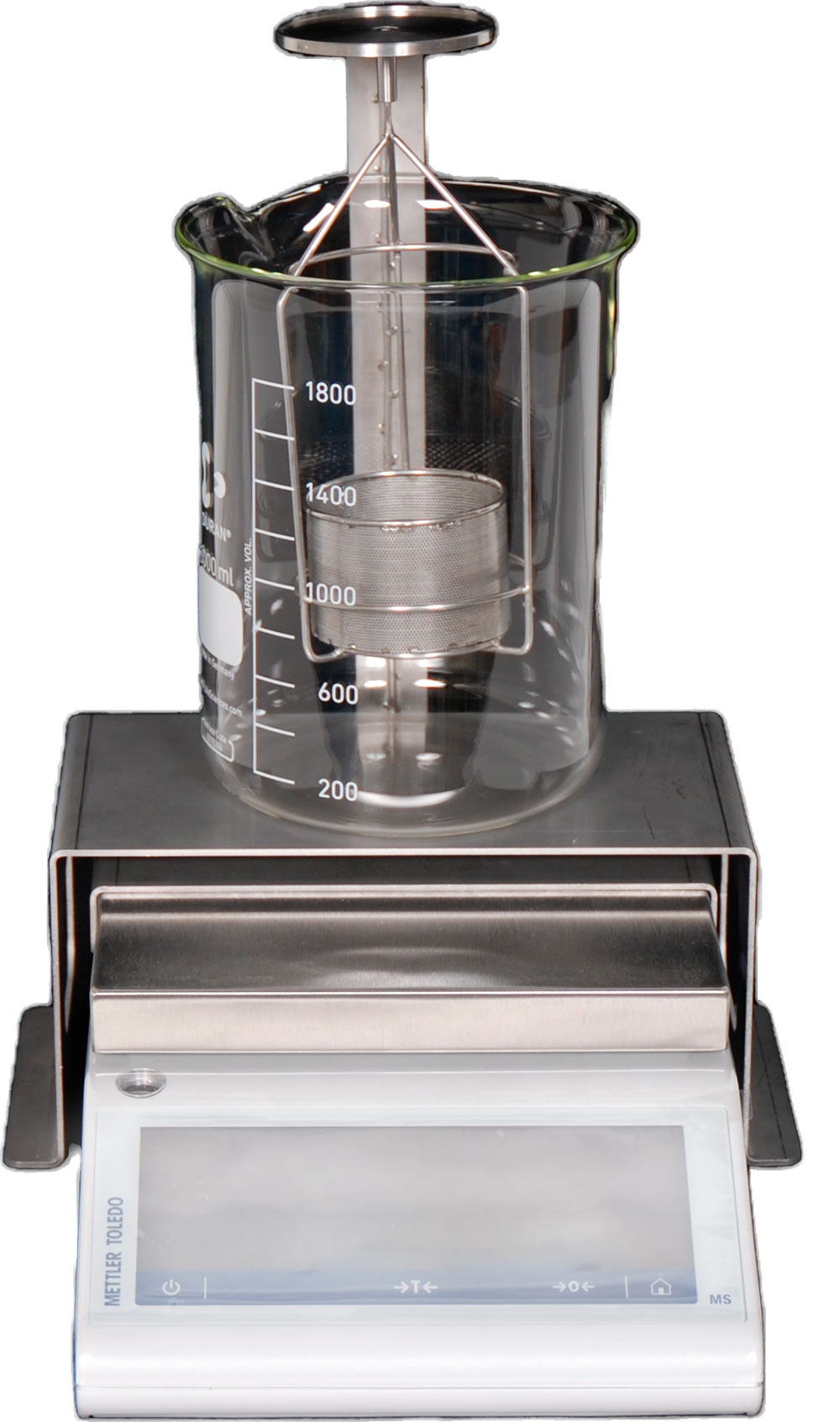
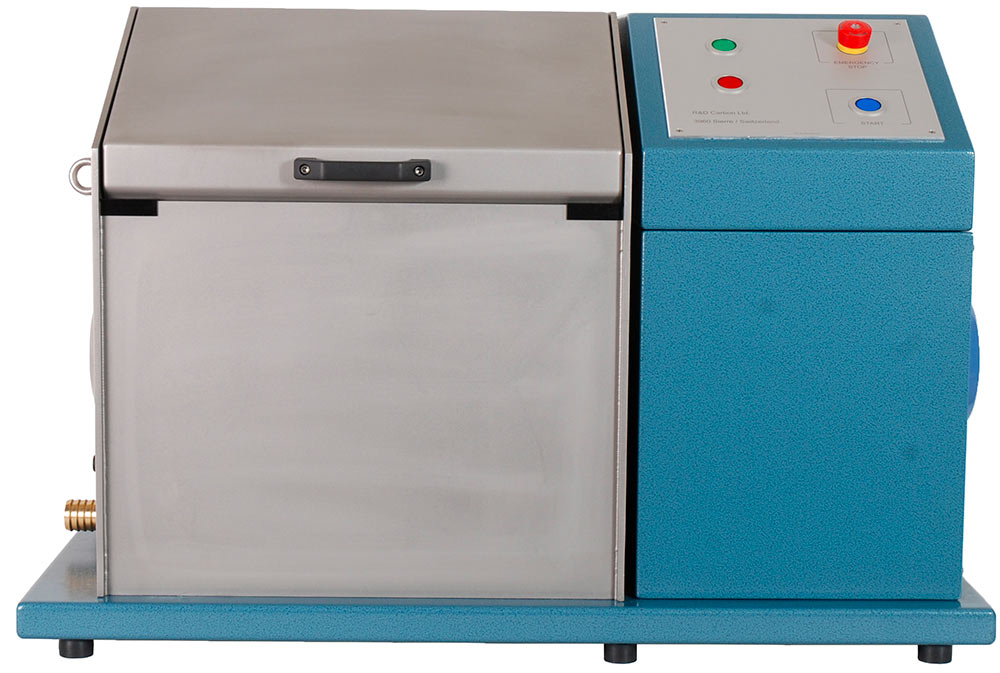
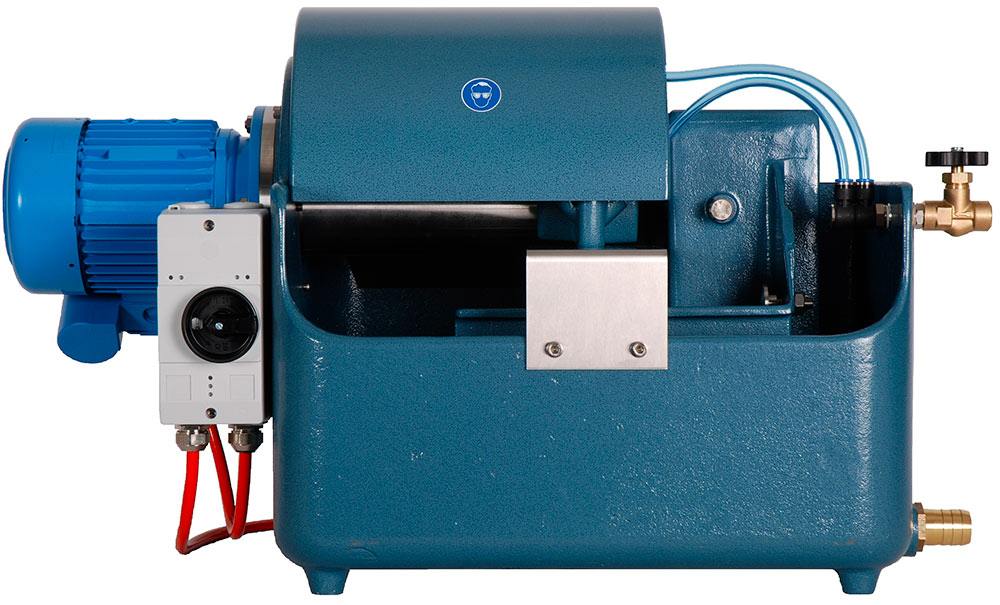
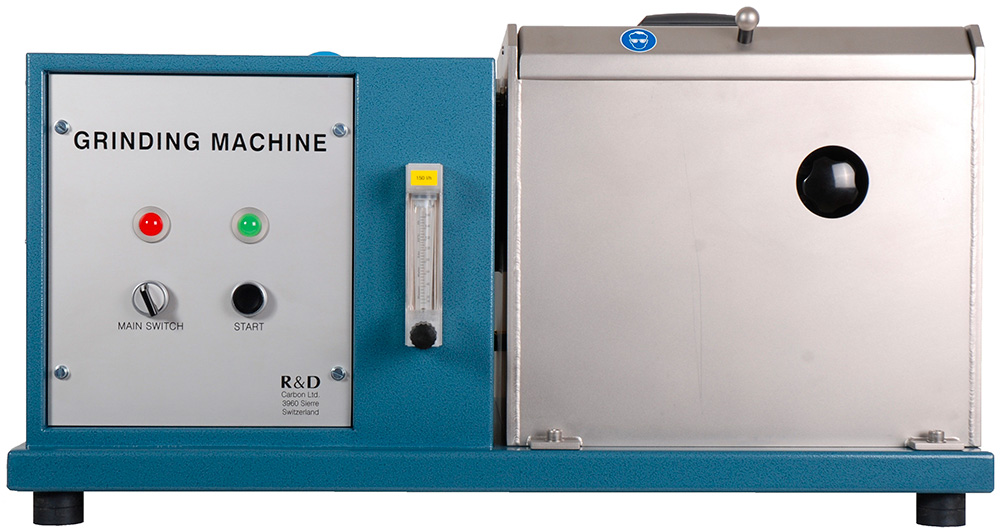
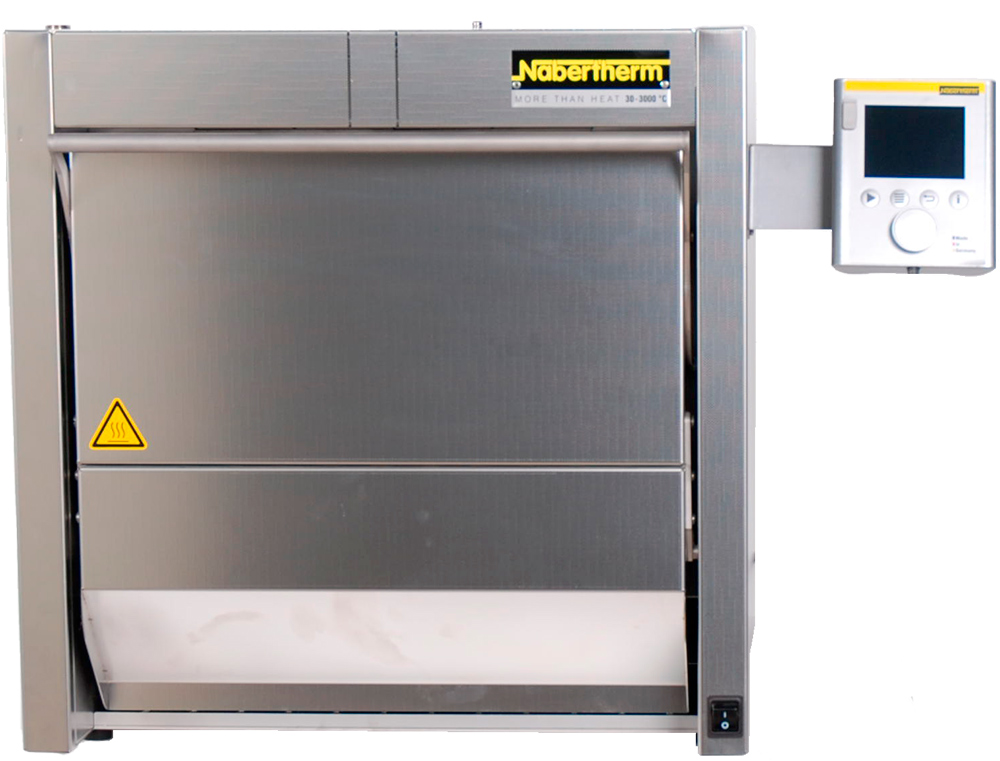
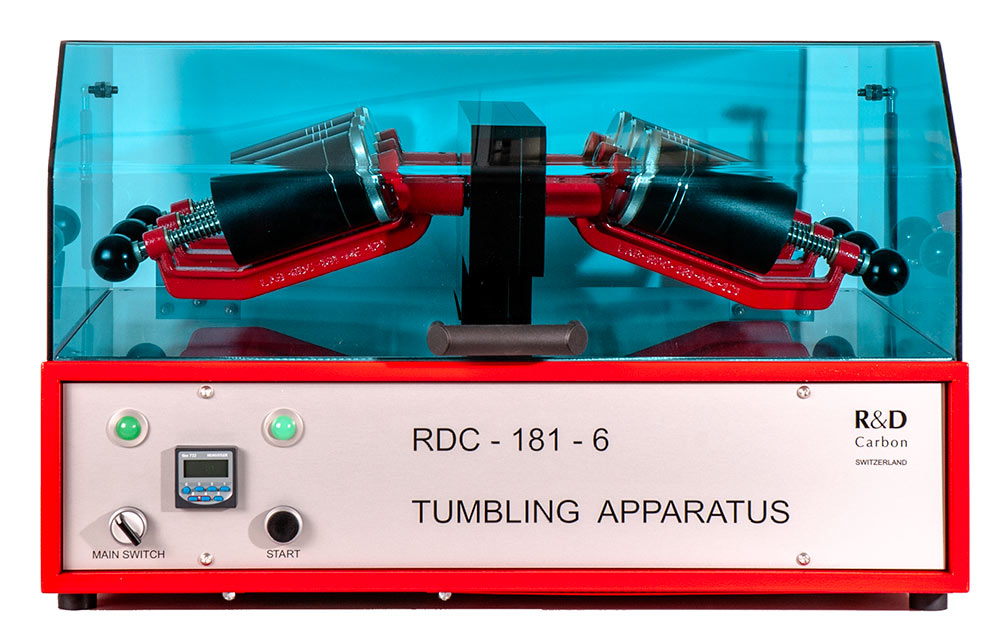
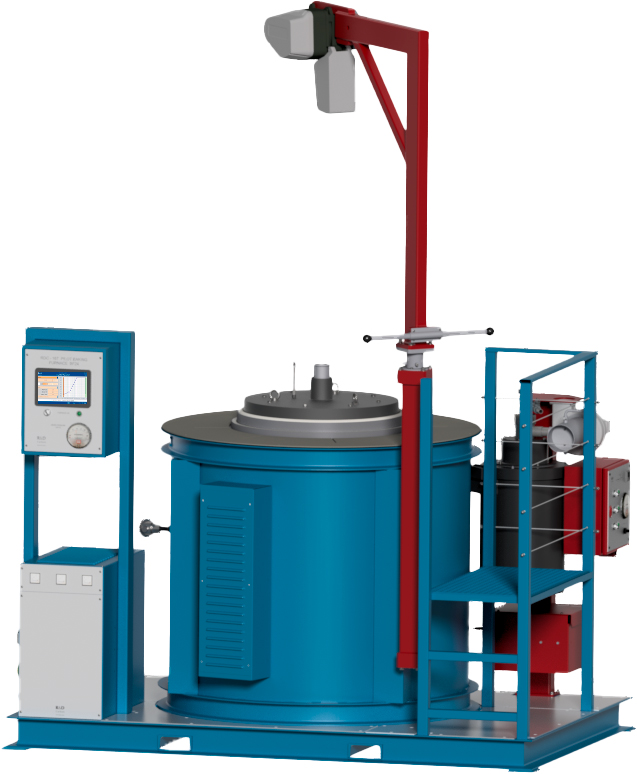
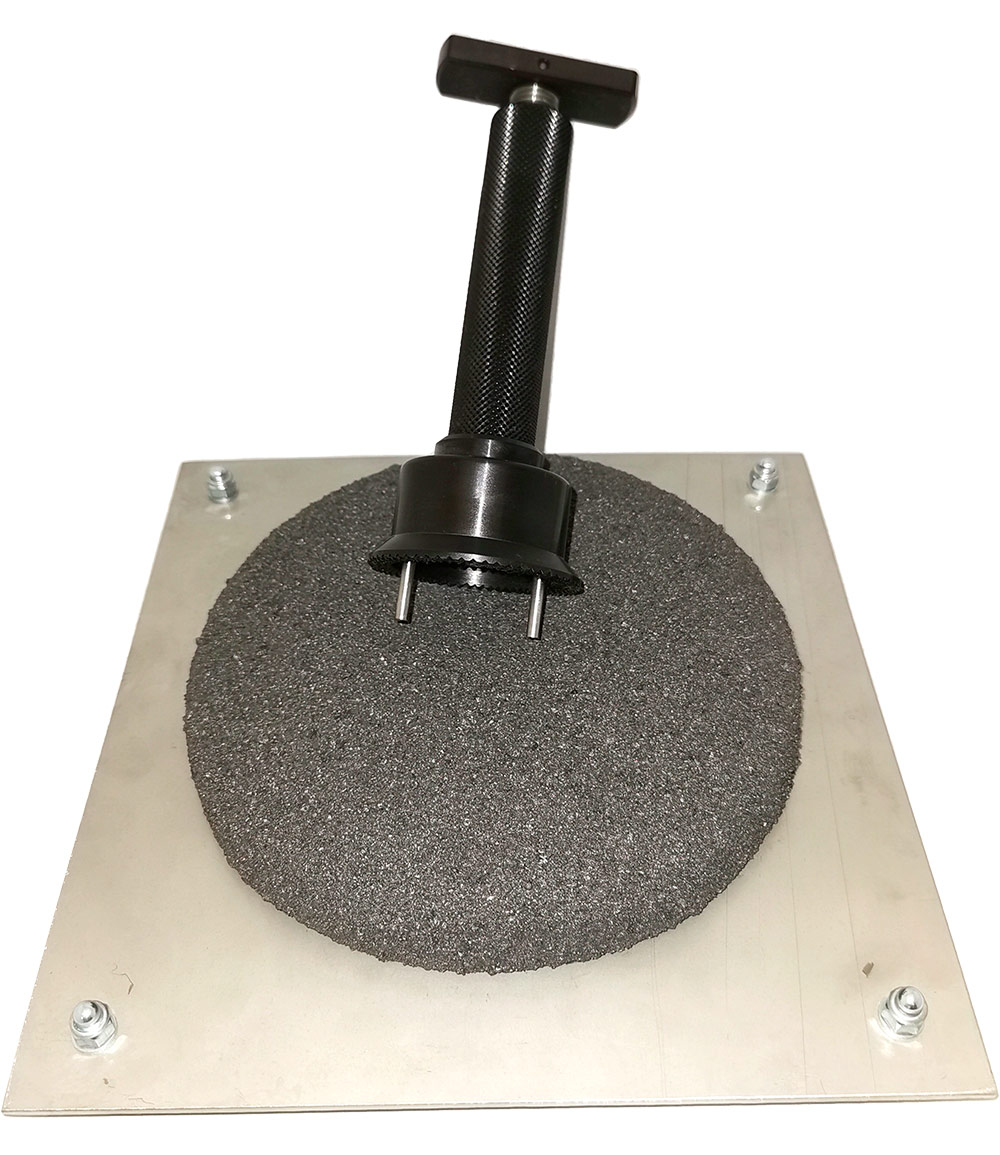
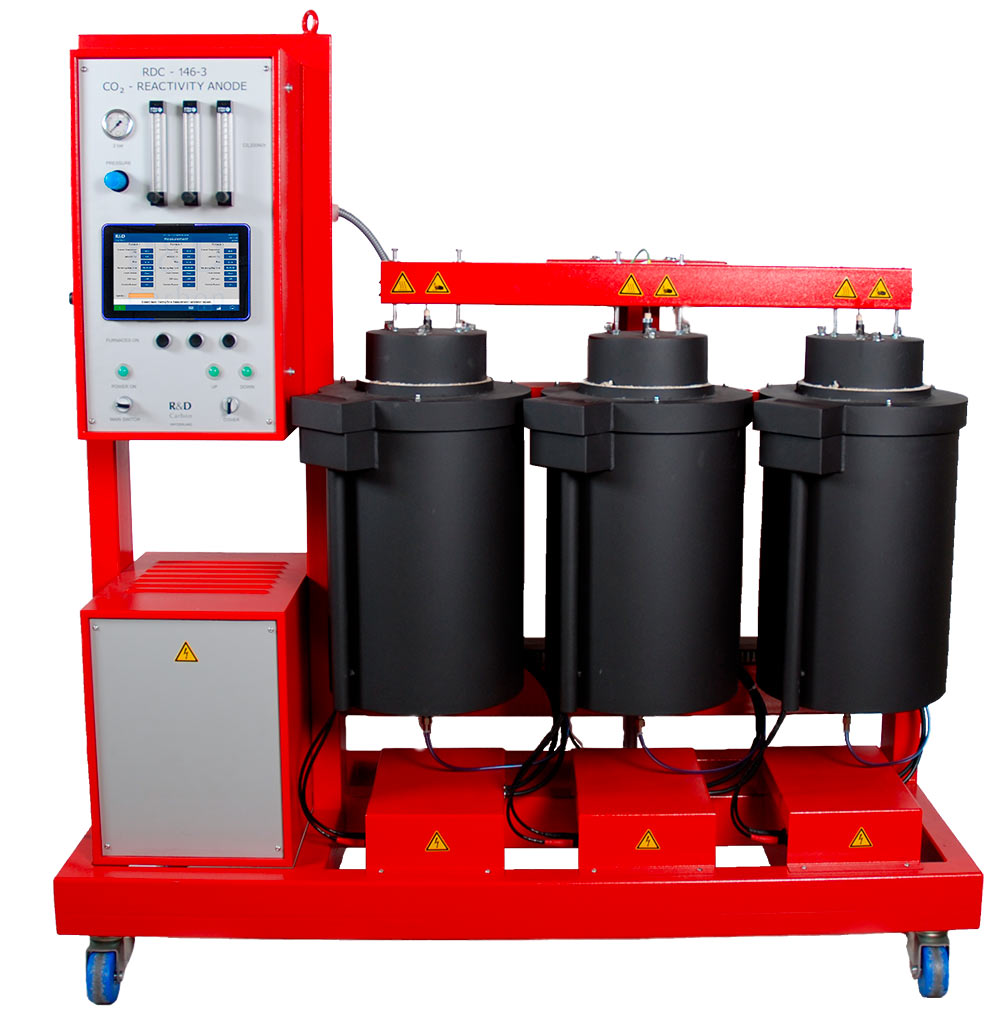
The measurement is conducted with the RDC-146 apparatus, where a core sample of 50 mm diameter and a length of 60 mm is placed in a furnace at 960°C with a saturated CO2 atmosphere for 7 hours. After cooling, the sample is weighed and tumbled with steel balls using the RDC-181 apparatus, to remove any loosely bound particles. The final weight of the residual body is then measured. The following three results are reported:
- CO2 reactivity residue: corresp. to the residual sample.
- CO2 reactivity dust: corresp. to the removed grains.
- CO2 reactivity loss: corresp. to the loss due to CO2 burning.
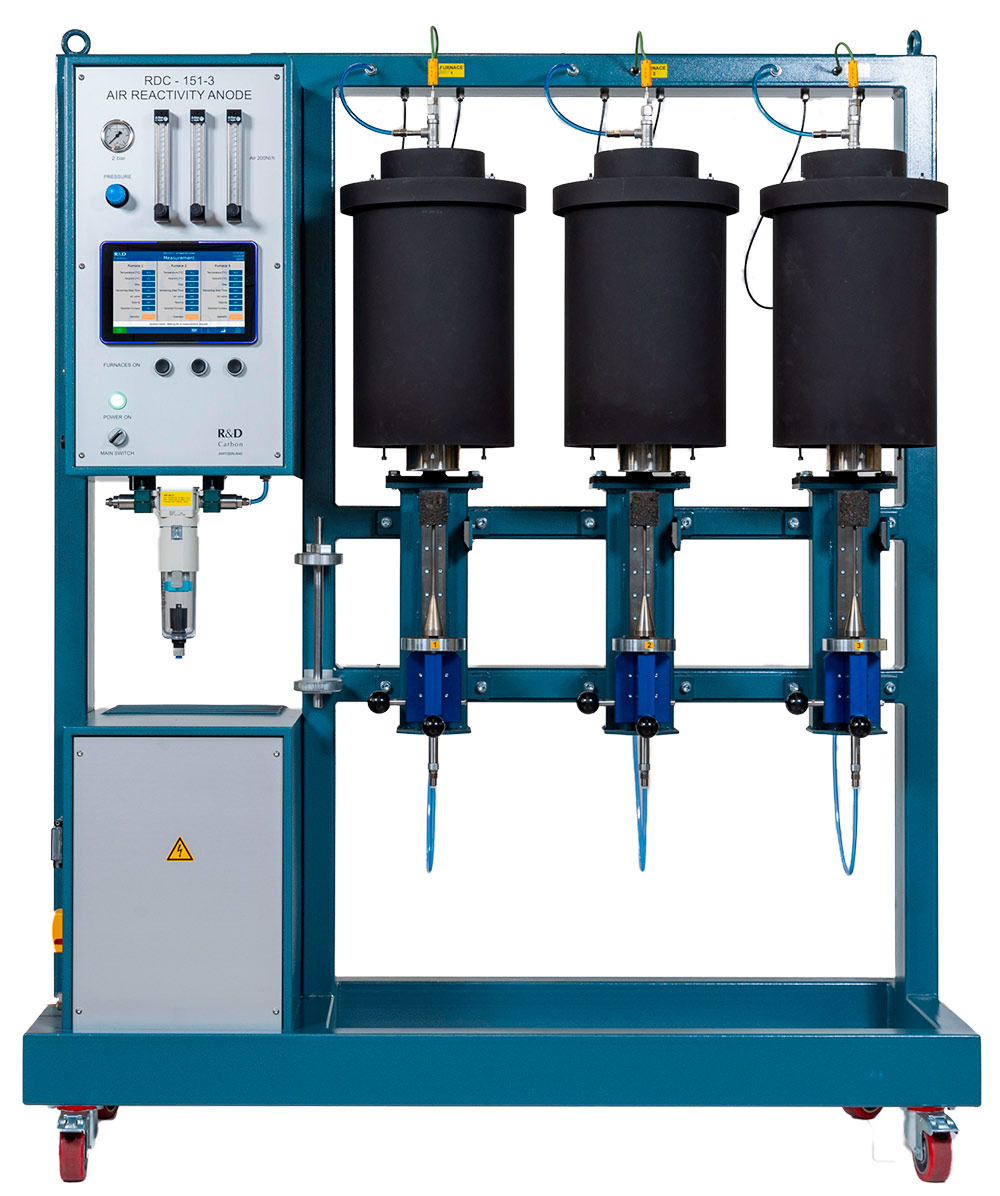
RDC-146 is available with one or three furnaces, in which two samples per furnace can be placed simultaneously.
Technical Information
Additional Recommended Equipment
Video

Other Electrodes Equipment