General Description
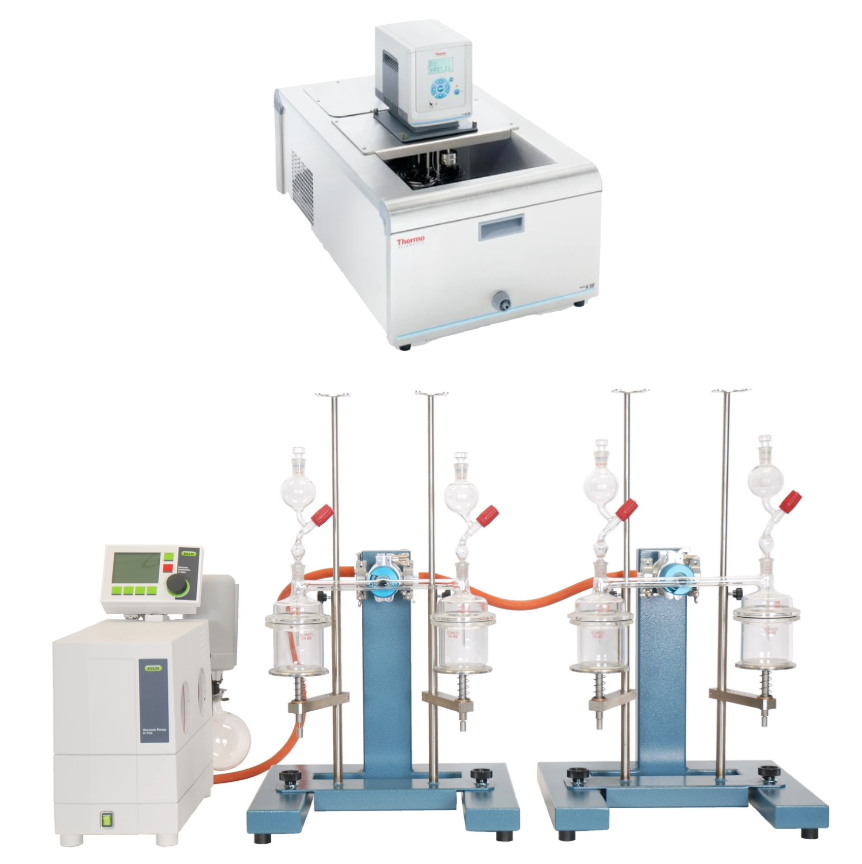
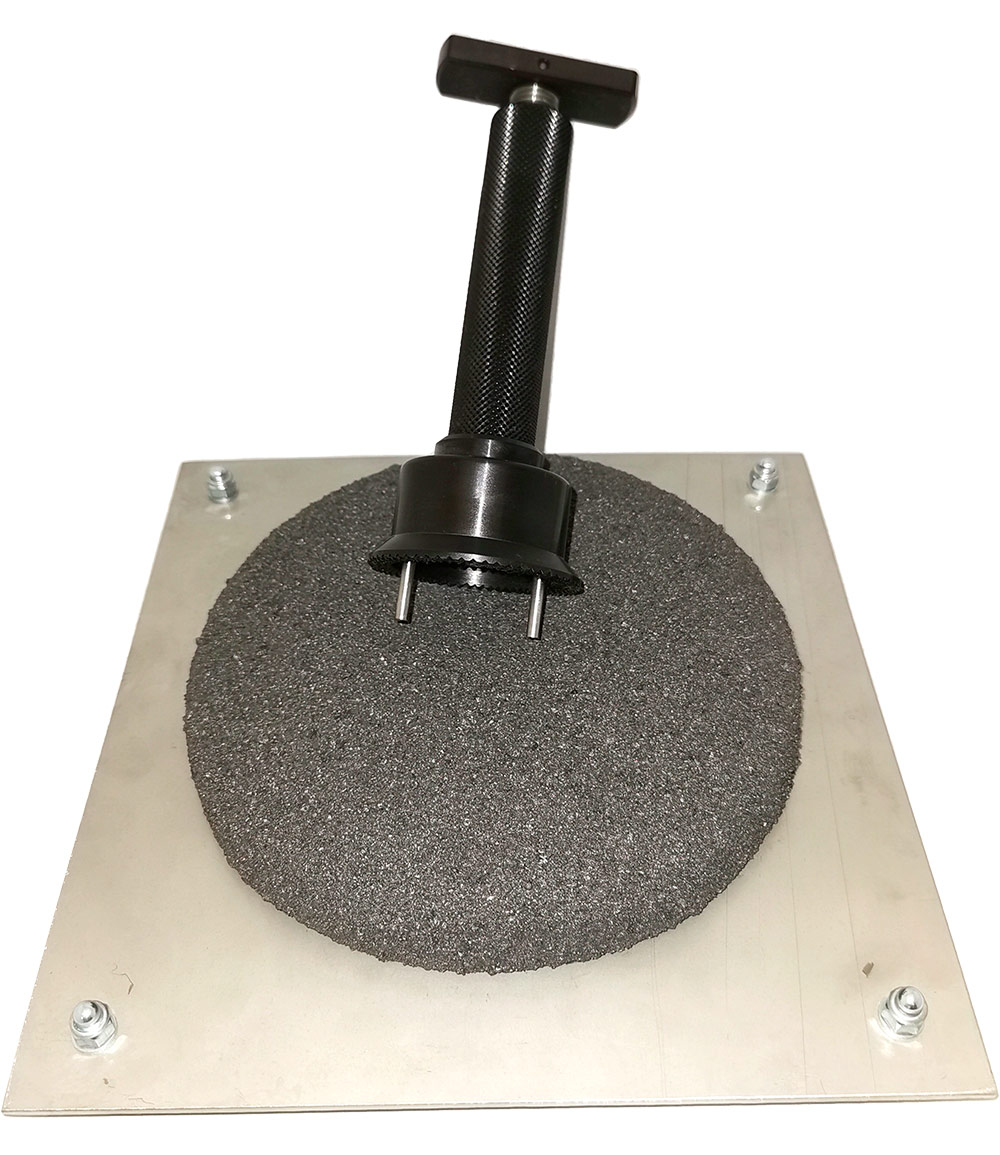
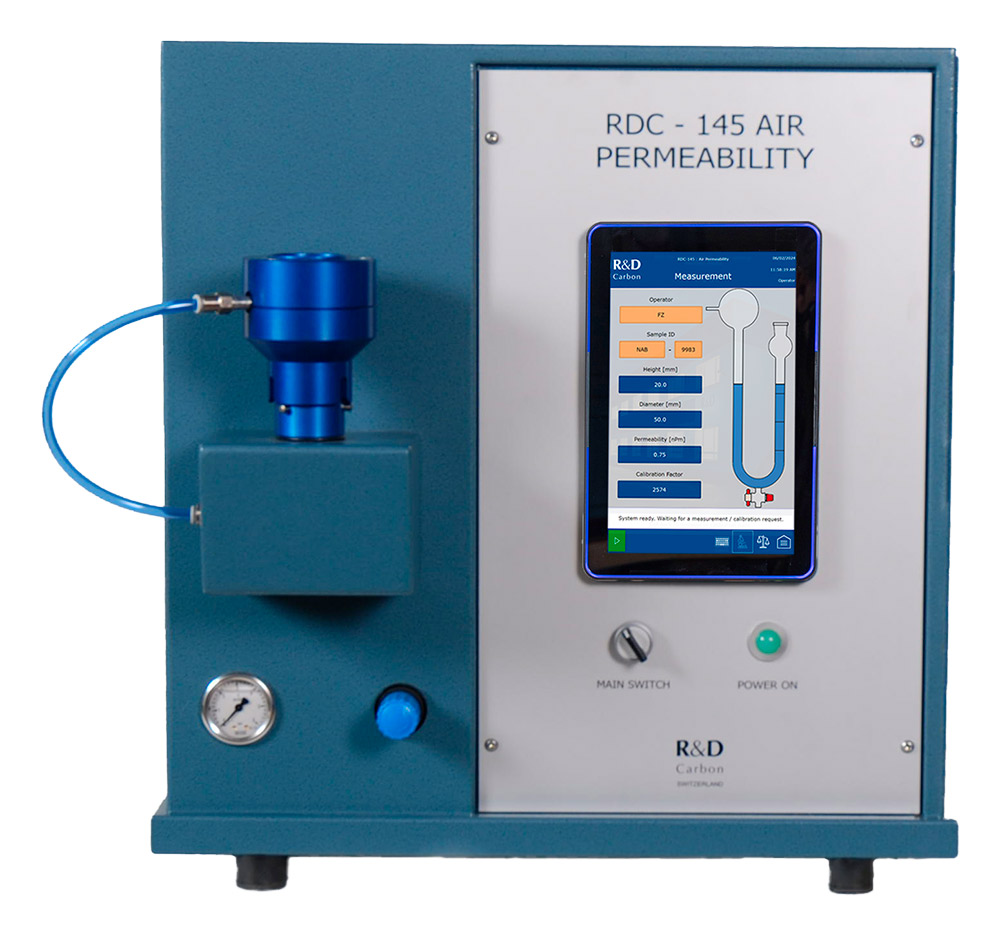
The air permeability, corresponding to the open pores larger than 50 μm, strongly influences the burning reaction that can occur due to the presence of both air and CO2 gases. For minimum excess carbon consumption in the electrolysis cells, low permeability is important, which reduces the anode surface area in direct contact with air or CO2. The air permeability is also a good indicator of some process parameters, such as the mixing conditions, the variations of recycled anode butts or the binder pitch used during the electrode production process. The measurement is conducted with the RDC-145 apparatus, where the time required by a certain volume of air to pass through a sample with a 50 mm diameter and a height of 20 mm is measured. The method is based on a comparative measurement: the actual time is compared to the time required from a reference material with a known permeability. The calculated permeability is expressed in nanoperm (nPm).
Technical Information
Additional Recommended Equipment
Video

Other Electrodes, Lining Equipment