General Description
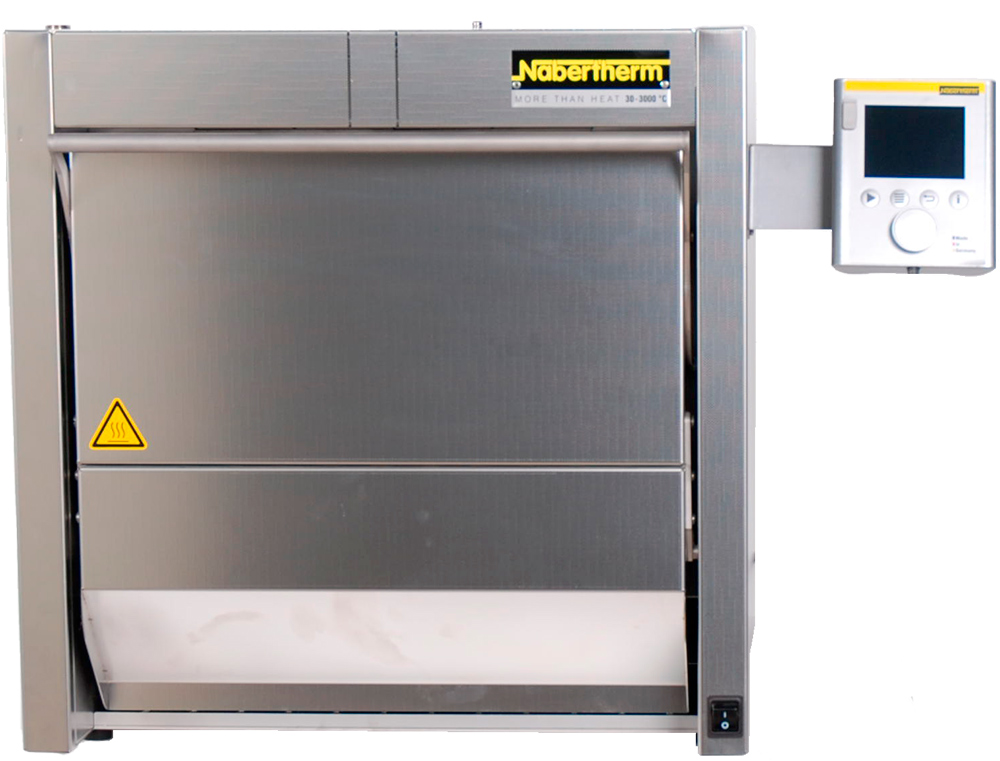
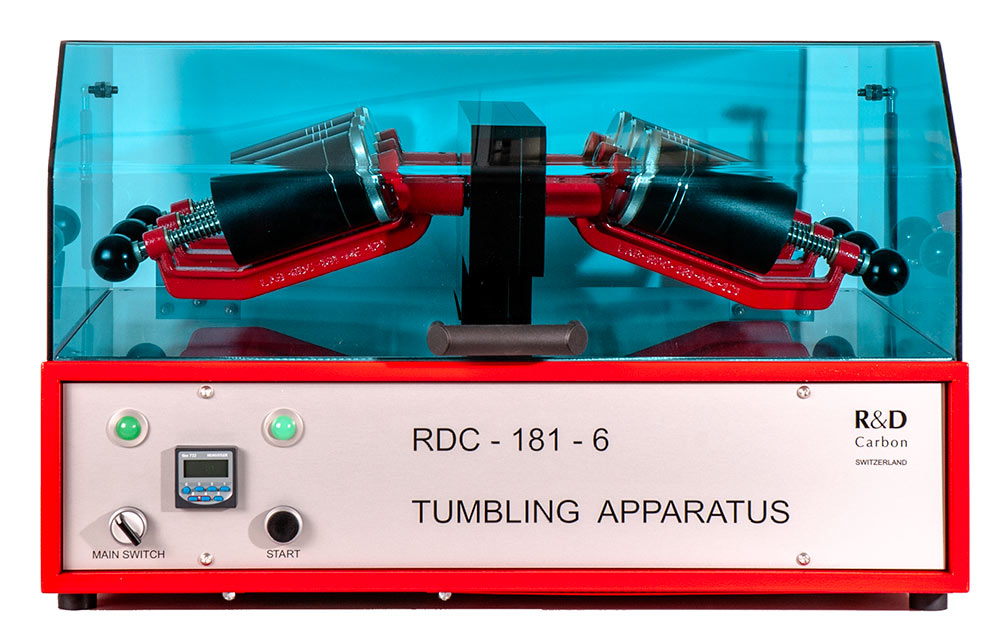
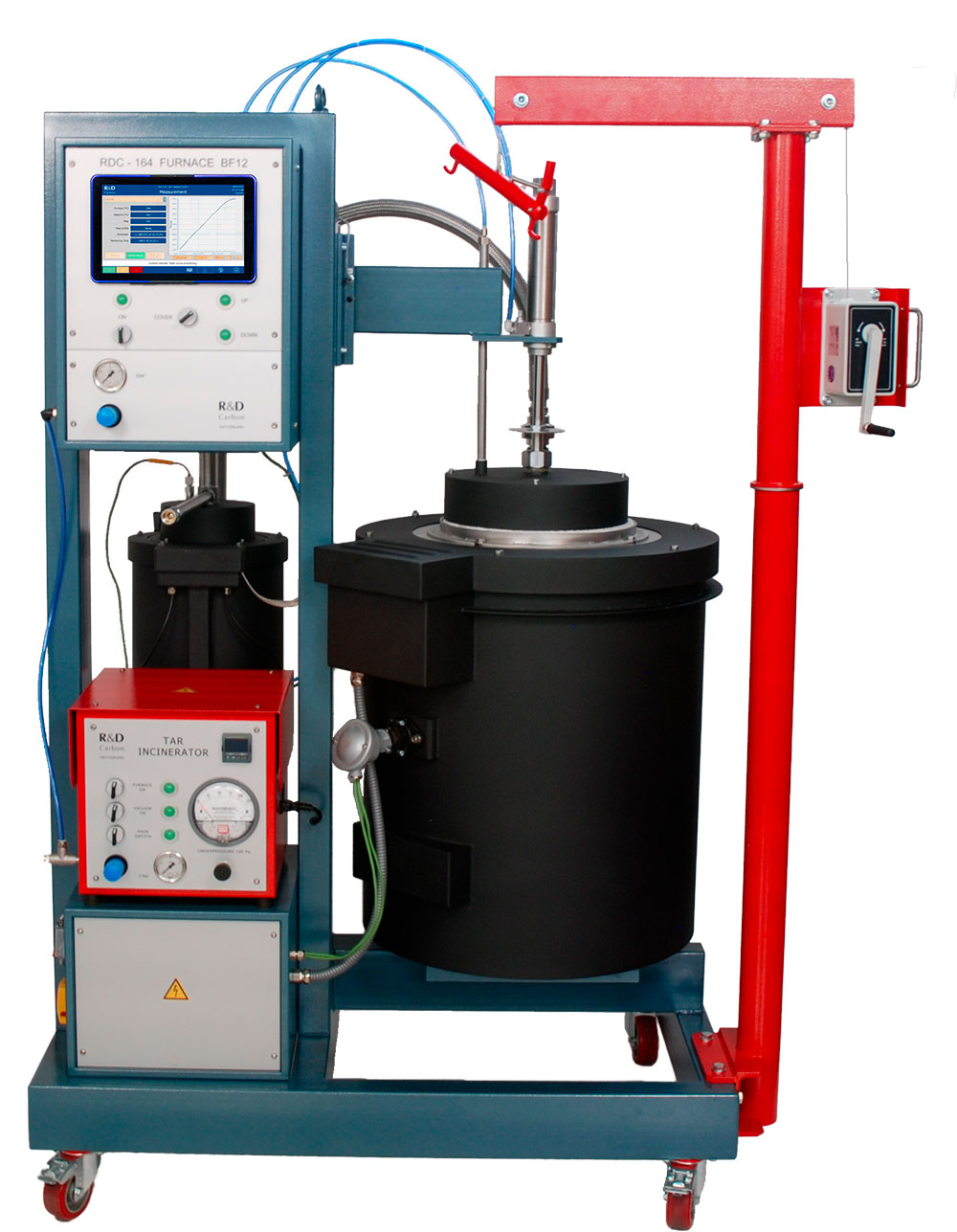
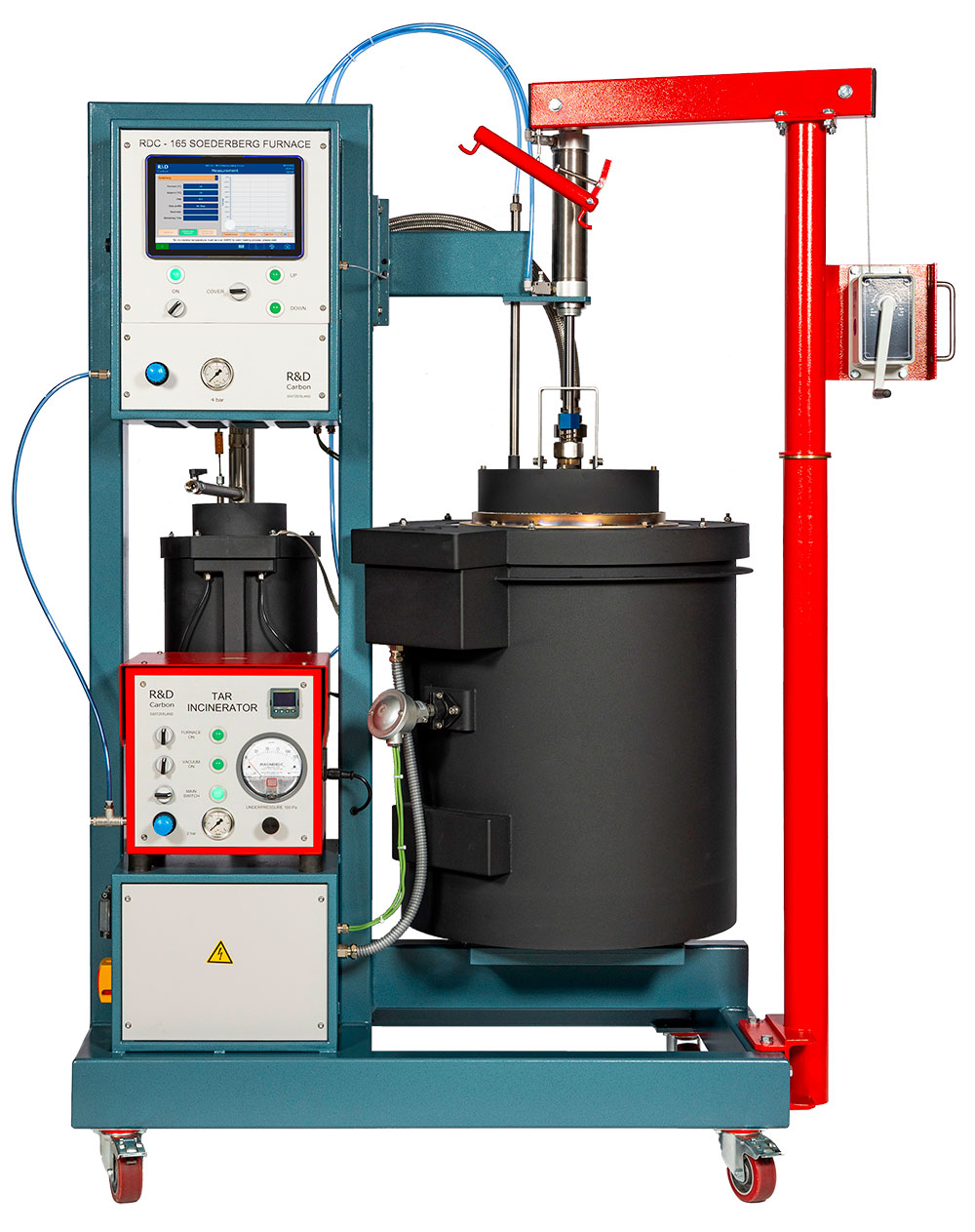
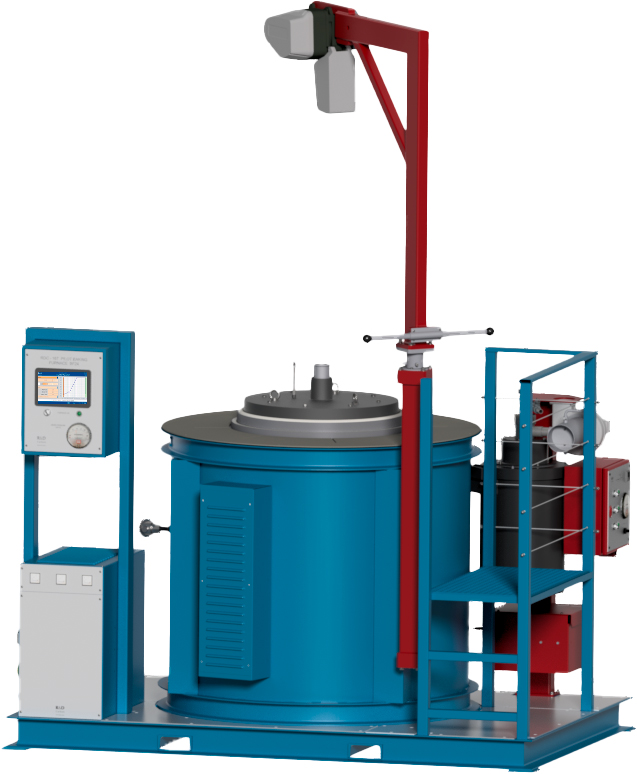
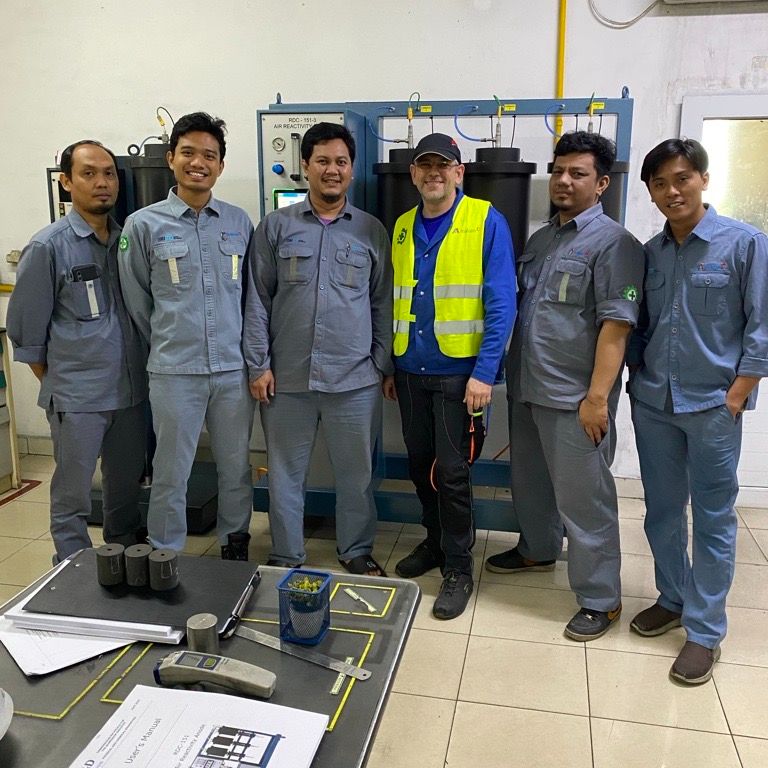
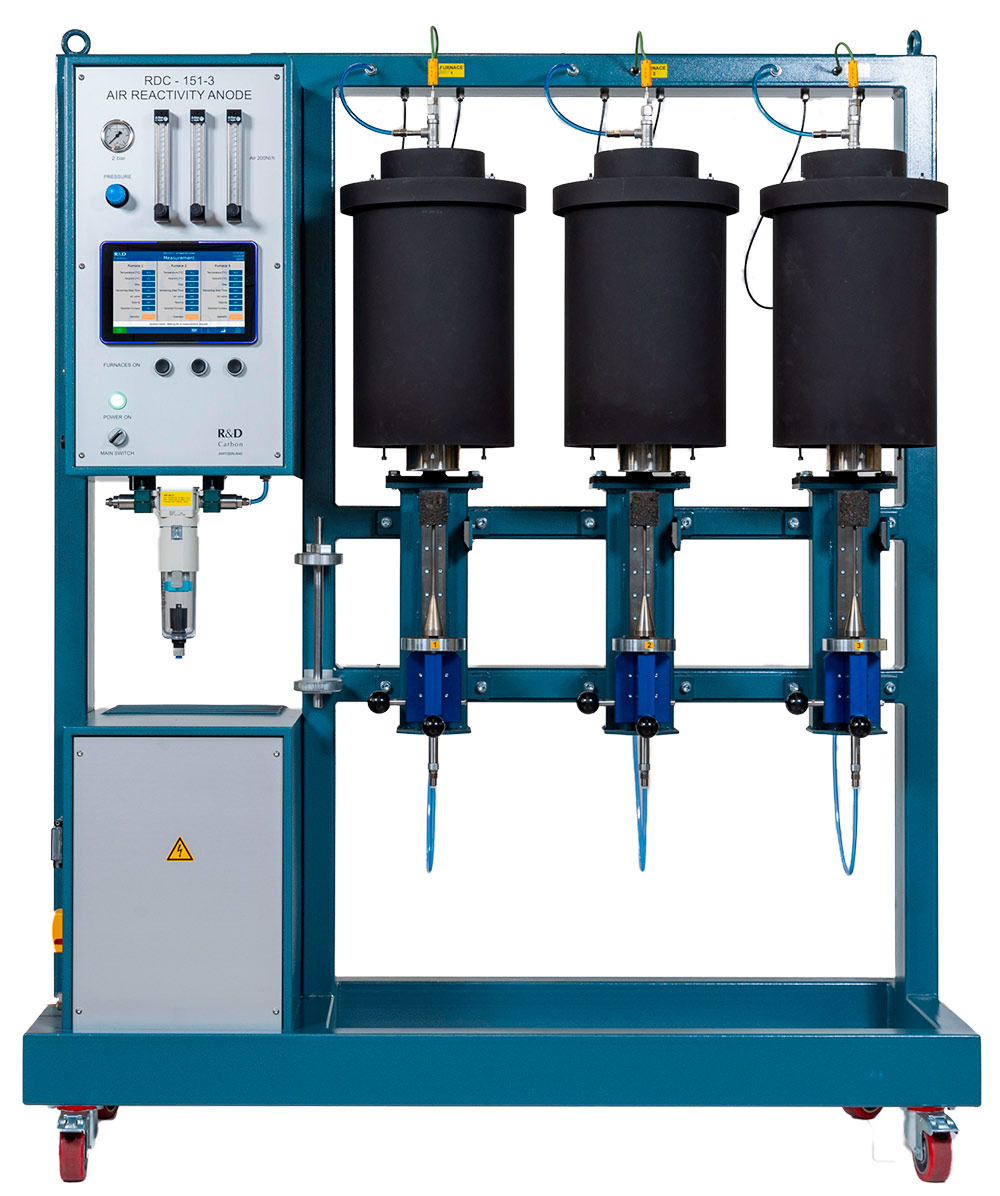
During electrolysis, air can be present at the anode top. A burning reaction can occur between the air and the anode, which increases the net anode consumption and potentially deteriorates the quality of the butts for the next anode generation. If a selective attack of the binder matrix occurs, carbon particles get excavated from the anode and end up in the bath (carbon dusting). It leads to a higher bath resistivity and temperature, so the current efficiency may be decreased. It may also trigger spikes formation. It is important to produce anodes with a minimum CO2 reactivity to avoid such performance problems. The measurement is done with the RDC-151 apparatus, where a core sample with a diameter of 50 mm and a length of 60 mm is placed in a furnace at 550°C under air atmosphere and cooled down to 400°C with a rate of 15°C/h. After cooling, the sample is weighed and tumbled with steel balls using the RDC-181 apparatus to remove any loosely bound particles. The final weight of the residual body is then measured. The following three results are reported:
- Air reactivity residue: corresponds to the residual sample.
- Air reactivity dust: corresponds to the removed grains.
- Air reactivity loss: corresp. to the loss due to air burning.
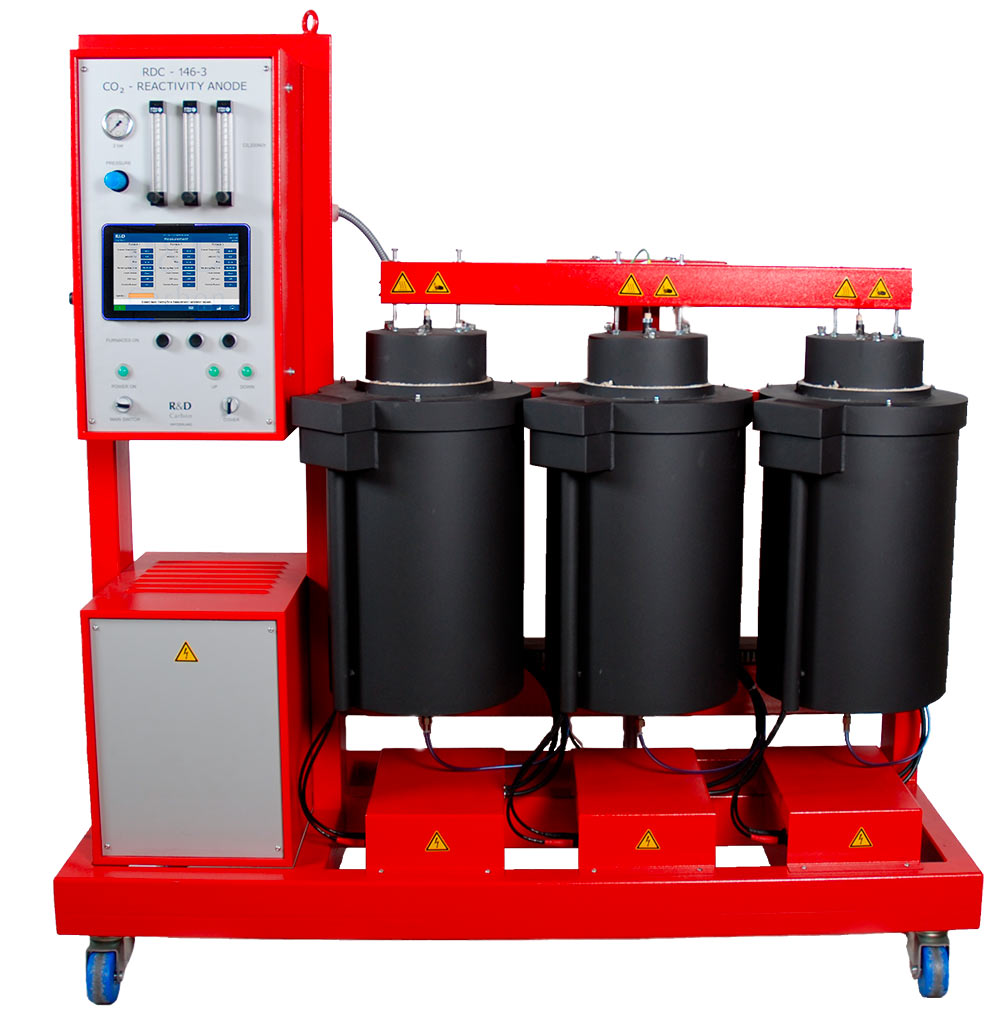
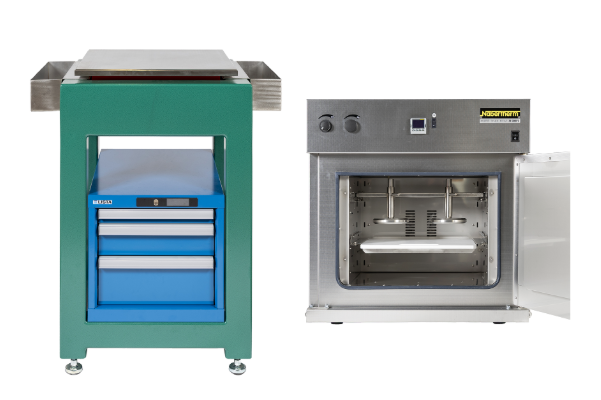
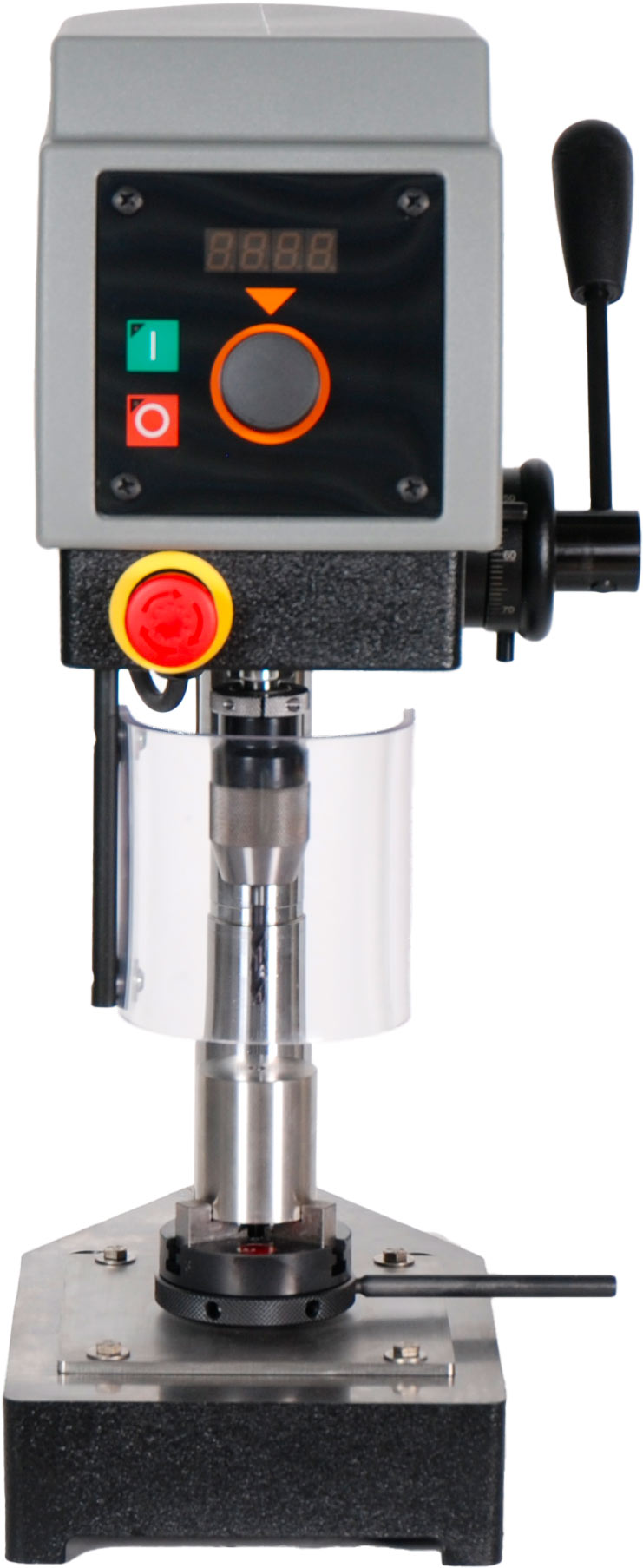
RDC-151 is available with 1 or 3 furnaces, in which one sample per furnace can be placed at the same time. During the sample preparation, a hole must be drilled in the center of the sample’s surface area with the RDC-180 Bench Drilling Machine.
Technical Information
Additional Recommended Equipment
Video

Other Electrodes, Lining Equipment